
 2 Camden Pl, Patrick’s Bridge,
Home > Latest News & Guides > Scalp Circulation for Hair Growth, Cork & Waterford Guide
Scalp Circulation for Hair Growth, Cork & Waterford Guide
Contact us today
Date added: 29/06/26
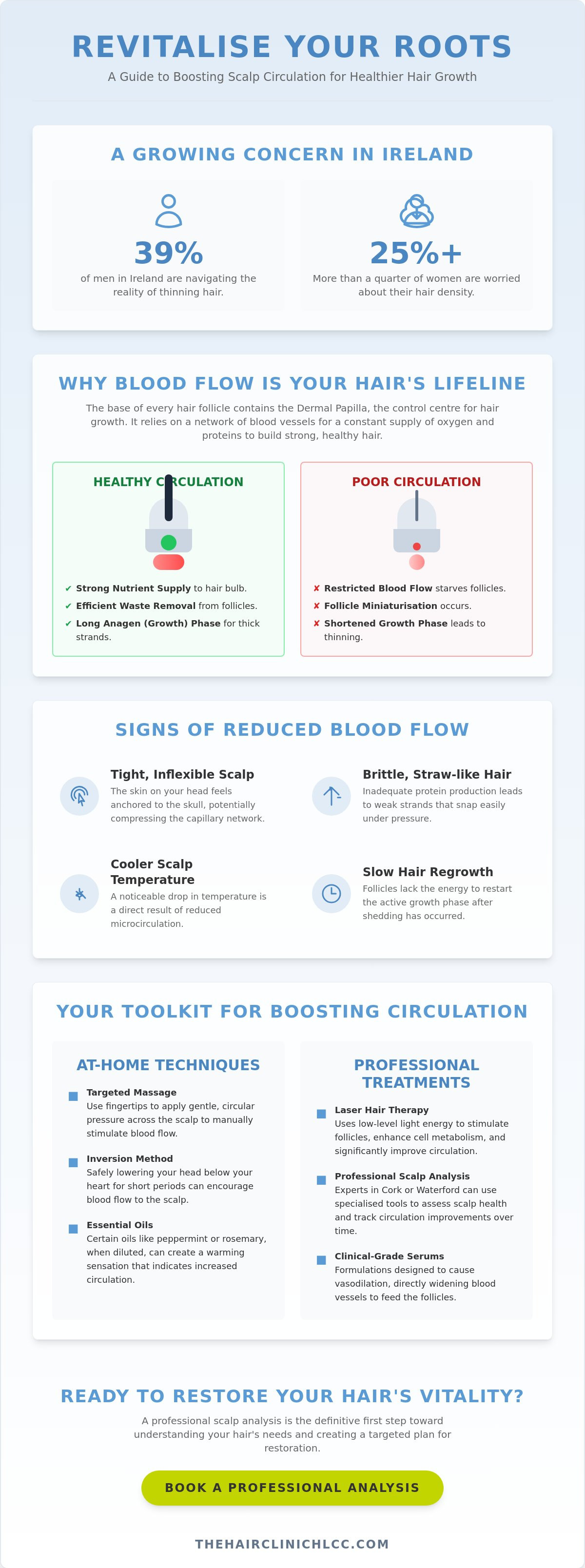
Did you know that more than a quarter of women in Ireland are currently worried about their hair density, whilst nearly 39% of men are navigating the daily reality of thinning?
It is a deeply personal experience that often leads to a cycle of frustration and a search for answers that feel out of reach.
If you've spent hours wondering how to improve scalp circulation for hair growth, you're already touching on the most vital delivery system for your follicles.
We understand the quiet worry that comes with seeing more hair in the brush than on your head.
This guide provides a clear path forward by explaining the clinical link between blood flow and the hair cycle.
You'll discover both natural techniques and proven medical interventions, such as Laser Hair Therapy, to help revitalise thinning areas.
By the end of this article, you'll have a practical toolkit of methods to implement immediately and the knowledge to recognise when professional intervention in Cork or Waterford is your best next step toward restoration.
Key Takeaways
- Understand the biological role of the dermal papilla and how blood vessels supply essential proteins to the hair bulb.
- Recognise physical symptoms of poor blood flow, such as a tight scalp or brittle hair, that signal the need for intervention.
- Master practical daily techniques, such as the inversion method and targeted massage, to improve scalp circulation and support hair growth.
- Discover how clinical treatments like Laser Hair Therapy use light energy to stimulate follicles and encourage long-term hair density.
- Learn the importance of regular professional scalp analysis in Cork or Waterford for tracking your progress and maintaining a healthy growth environment.
Table of Contents
Contact our specialists for a detailed scalp analysis.
Why Scalp Circulation is Vital for Hair Growth
To understand how to improve scalp circulation for hair growth, we must first look at the biology of hair.
At the base of every hair follicle sits the dermal papilla. This tiny structure acts as the control centre for hair growth, regulating the entire cycle by communicating with surrounding cells.
For this communication to happen effectively, a constant supply of oxygen and proteins is required.
These are delivered directly through a complex network of blood vessels. When blood flow is robust, the hair bulb receives the building blocks it needs to produce strong, healthy strands.
Circulation also serves as a vital waste disposal system. As cells divide and grow, they produce cellular toxins and metabolic byproducts.
Efficient blood flow carries these away, preventing the formation of an environment that could stifle new growth.
Without this cleansing process, the scalp environment can become congested, leading to inflammation and weakened follicles that struggle to survive.
When circulation is compromised, the anagen, or active growth phase, begins to shorten. This means hair doesn't grow as long or as thick as it once did. Over time, this leads to visible thinning and reduced density.
It's a progressive issue that requires a proactive approach to ensure the follicles remain active and productive.
The Biological Link Between Blood Flow and Follicle Health
Vasodilation is the physiological process of dilating blood vessels to increase the volume of blood reaching the scalp, thereby directly supporting a larger hair follicle diameter.
This microcirculation is essential for the production of keratin, the primary protein that gives hair its structure and strength. When blood flow is restricted, the follicle lacks the energy to maintain its size.
This leads to a process called follicle miniaturisation. During miniaturisation, the hair becomes finer and more brittle until the follicle eventually stops producing hair altogether.
Understanding hair follicle anatomy helps to illustrate why maintaining this blood supply is non-negotiable for long-term hair health.
Understanding the Hair Growth Cycle and Nutrient Delivery
Every hair on your head moves through a cycle of growth, transition, and rest. The transition from the telogen, or resting phase, back into the anagen phase requires a significant energy surge.
Your scalp is one of the most metabolically active parts of your body. It actually requires a higher level of blood flow than many other areas of the skin to sustain this constant activity. If the delivery system is sluggish, the follicle may remain in the resting phase for too long.
This is why clinical treatments are often designed to target the scalp environment directly. By supporting the biological delivery system, these interventions help wake dormant follicles and ensure the active growth phase is as productive as possible.
Book a professional scalp assessment at our Cork or Waterford clinics.
Signs of Reduced Blood Flow to Your Hair Follicles
Identifying the symptoms of restricted circulation is the first step toward improving scalp circulation for hair growth.
Often, these signs are subtle and develop over months or even years. One of the most common physical markers is an inflexible or "tight" scalp. If you try to move the skin on your head and find it resists or feels anchored to the skull, this tension may be compressing the capillary network.
This mechanical restriction prevents the dermal papilla from receiving a full supply of oxygen and nutrients.
Hair texture also provides a significant clue. When the blood supply is inadequate, the hair bulb cannot produce the high-quality proteins required for strong strands. This often results in a brittle, straw-like texture that snaps easily under pressure.
You might also notice that your scalp feels cooler to the touch than other areas of your skin. This drop in temperature is a direct result of reduced microcirculation. If the blood isn't moving efficiently, it cannot maintain the warmth necessary for optimal metabolic activity.
Finally, if you've noticed that hair regrowth after a period of shedding is exceptionally slow, it's a strong indicator that the follicles aren't receiving the energy they need to restart the active growth phase.
Physical Symptoms of Poor Scalp Microcirculation
Scalp tension doesn't just feel uncomfortable; it actively hinders hair health. A tight scalp can crush the delicate vessels that feed each follicle.
Visually, this often manifests as hair that looks dull and lacklustre, lacking its natural sheen and vibrancy. Beyond the hair itself, a lack of blood flow can lead to a chronically itchy or dry scalp.
Without proper circulation, the skin's natural oil production becomes unbalanced, leaving the surface vulnerable to irritation.
Whilst many people explore herbal remedies for hair to soothe these surface symptoms, addressing the underlying circulatory cause is essential for lasting relief.
Lifestyle Factors That Restrict Blood Flow
External habits play a major role in how well your scalp is nourished. Smoking and excessive caffeine intake are known vasoconstrictors, meaning they cause peripheral blood vessels to narrow.
This reduces the volume of blood that can reach your extremities, including the scalp. Stress is another significant factor.
High cortisol levels often lead to subconscious muscle contraction in the neck and head, further tightening the scalp and reducing the biological window for nutrient delivery.
Maintaining an active lifestyle is a powerful way to support systemic circulation, ensuring that your heart can pump blood effectively to every follicle. If you're concerned about these physical signs, we recommend speaking with a specialist to determine the best course of action.
Speak with our specialists today to learn more about professional scalp care.
Natural Methods to Stimulate Scalp Blood Flow at Home
Implementing a consistent home routine is a practical way to support the biological delivery system we discussed earlier. If you are researching how to improve scalp circulation for hair growth, mechanical stimulation is one of the most accessible starting points.
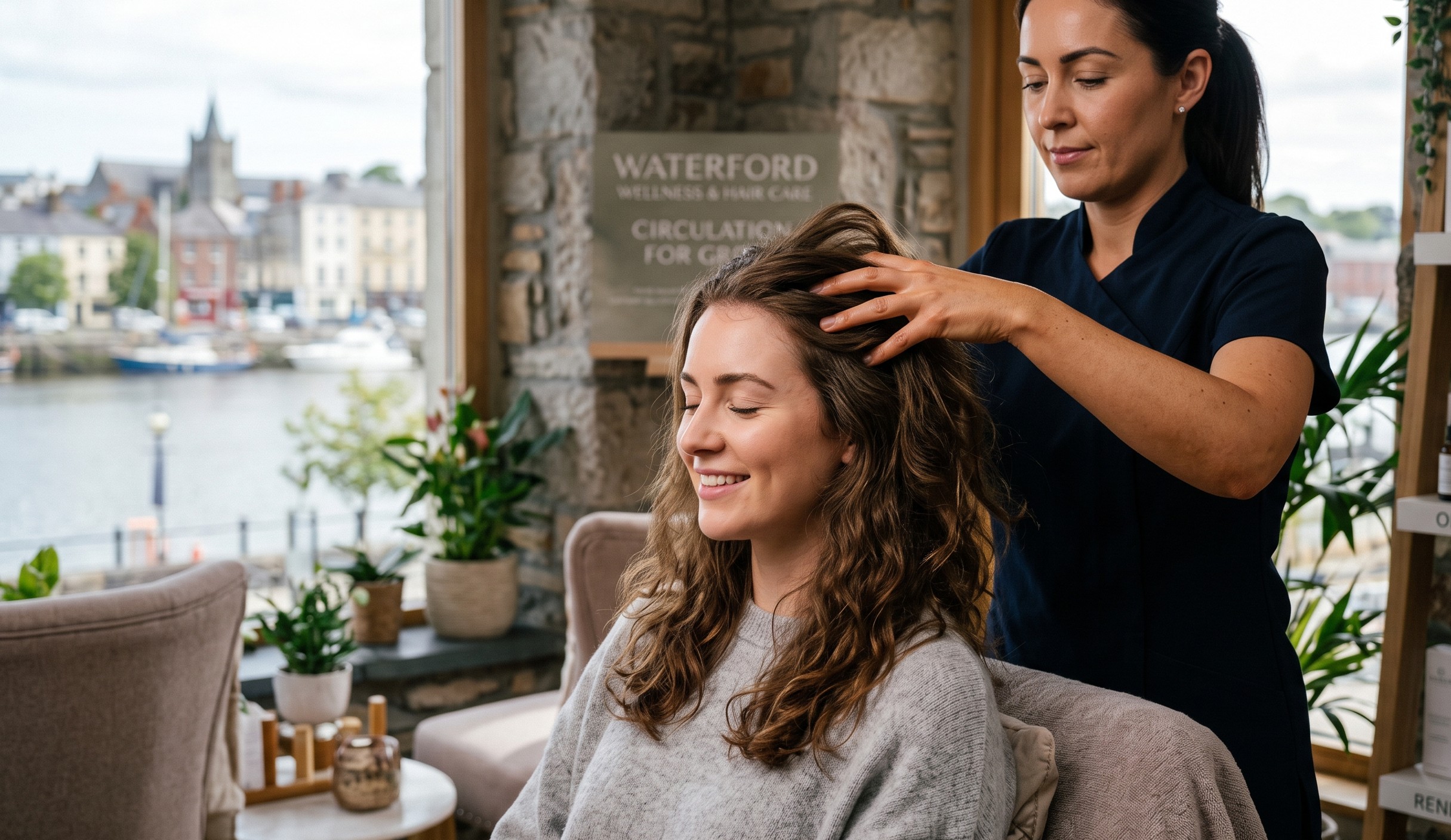
A daily five-minute scalp massage can help loosen the skin and encourage blood to the surface.
Another popular technique is the inversion method, where you sit on a chair and gently lower your head below heart level for up to 4 minutes whilst massaging your scalp. This utilises gravity to increase blood flow to the head.
However, safety is paramount. You should avoid this method if you suffer from high blood pressure, vertigo, or any condition that might cause dizziness when changing positions.
Beyond massage, your choice of tools and water temperature can make a difference. Using a soft-bristled brush, such as one made from natural boar bristles, helps gently stimulate surface capillaries without causing mechanical damage to the hair shaft.
Additionally, finishing your shower with a burst of cool water can be beneficial. Whilst warm water dilates the blood vessels, the sudden shift to a cooler temperature causes a brief constriction, followed by a rebound flush of fresh blood when you step out of the shower.
This simple hydrotherapy technique can help revitalise a sluggish scalp environment.
Effective Scalp Massage Techniques for Daily Use
For a massage to be effective, you must use the correct movements. Effleurage involves light, stroking motions to warm up the skin, whilst petrissage uses deeper kneading to release tension in the underlying tissue.
You should always use the pads of your fingertips rather than your fingernails. Fingernails can cause micro-tears in the skin, leading to inflammation that actually hinders growth. A study on scalp massage and hair thickness suggests that regular mechanical stimulation can increase the expression of genes associated with hair growth.
We recommend performing these movements for five minutes every evening to counteract the day's stress and tension.
Dietary Habits and Hydration for Better Circulation
Internal health is just as important as external stimulation. Iron and zinc are critical minerals for blood health, as they are essential for oxygen transport and cellular repair. Without sufficient iron, your blood cannot carry enough oxygen to the hair bulb.
Omega-3 fatty acids, found in oily fish and flaxseeds, help to improve blood viscosity, allowing it to flow more easily through the tiny capillaries in the scalp.
Finally, do not underestimate the power of hydration. Proper water intake is necessary to maintain overall blood volume.
If you are dehydrated, your body will prioritise vital organs over your hair follicles, resulting in reduced nutrient delivery to your hair follicles. Learning how to improve scalp circulation for hair growth is a holistic process that begins with what you put into your body.
Book your consultation to discuss clinical circulation treatments today.
Professional Treatments and Laser Therapy for Circulation
Whilst home-based efforts provide a steady foundation, professional interventions offer greater medical precision for those experiencing persistent thinning.
If you are seeking definitive answers on how to improve scalp circulation for hair growth, clinical tools like Laser Hair Therapy provide a targeted approach to vasodilation.
These methods are designed to penetrate the scalp more deeply than manual massage ever could, reaching the very base of the follicle. In addition to light-based therapies, certain topical medications, such as Minoxidil, are frequently used to chemically dilate blood vessels.
This ensures the follicles receive a consistent surge of nutrient-rich blood, which is vital during the biological window of opportunity before follicles become permanently dormant.
The Science of Low-Level Laser Therapy
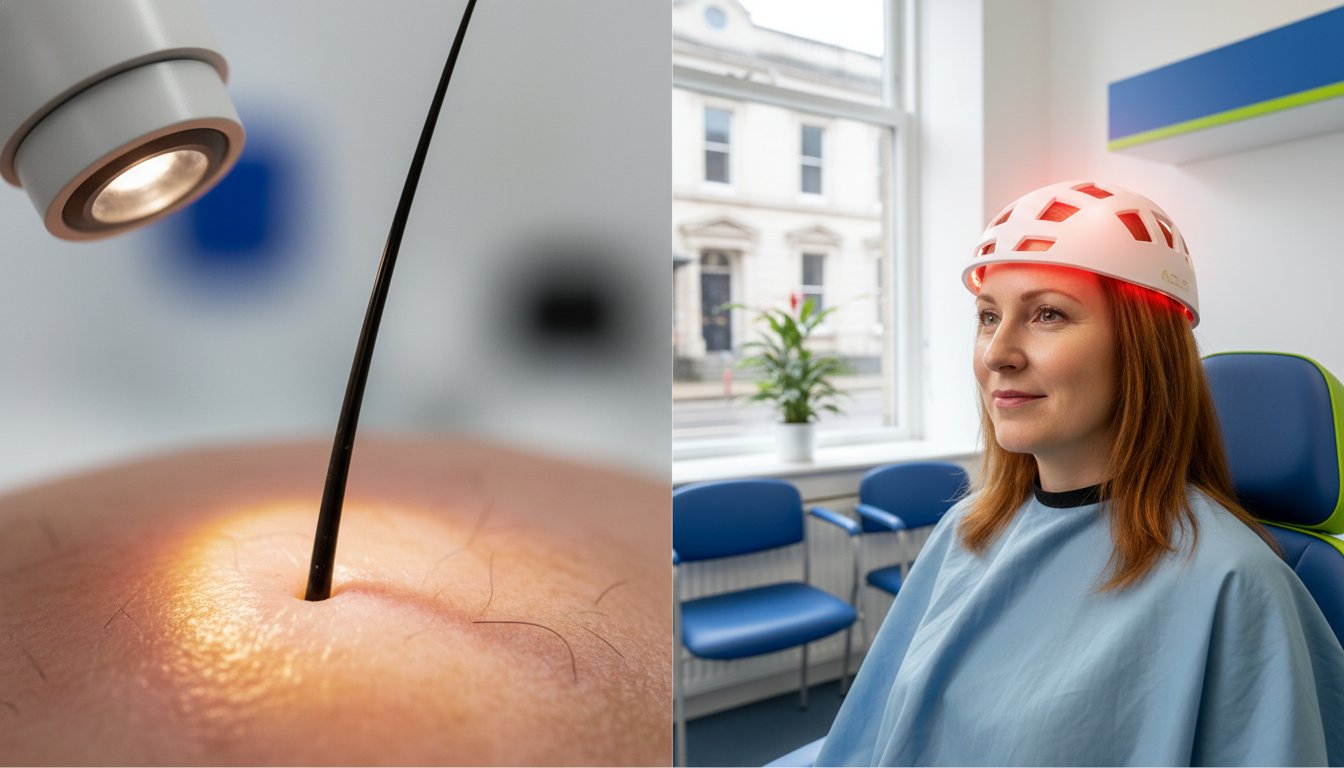
Low-Level Laser Therapy (LLLT) is a cornerstone of modern, non-invasive hair restoration. The treatment works by delivering cool, therapeutic light energy directly to the scalp tissue.
This energy stimulates the mitochondria within the hair cells, leading to a significant increase in adenosine triphosphate (ATP) production. ATP is essentially the fuel that cells use to function, repair, and reproduce.
By increasing cellular energy, LLLT encourages follicles to remain in the active growth phase for longer, resulting in improved hair density. This process is entirely painless and suitable for both men and women who want to avoid surgical options.
For a deeper look at these protocols, you can read our Laser Hair Therapy in Ireland guide.
Scalp Hygiene and Professional Cleansing
Sometimes, the barrier to better circulation isn't just internal. Excessive sebum buildup, dead skin cells, and environmental pollutants can create a physical layer that restricts the scalp's ability to breathe and receive blood flow efficiently.
Clinical exfoliation and deep-cleansing treatments at The Hair Clinic are designed to remove stubborn blockages that manual washing often misses. By purifying the scalp environment, we ensure that the underlying capillaries are not under unnecessary pressure from surface inflammation.
This professional hygiene approach creates a clean, receptive surface for other treatments to work more effectively. If you are ready to move beyond home remedies, we invite you to schedule a professional scalp analysis at our Cork or Waterford clinics to identify the specific barriers to your hair growth.
Contact our Irish clinics today to begin your personalised scalp care journey.
Long-Term Strategies to Maintain a Healthy Scalp Environment
Protecting the Scalp from Environmental Stressors
To counteract the effects of hard water, we suggest installing a shower filter or using a chelating shampoo once a week to remove mineral deposits. Beyond water quality, UV protection is an often-overlooked aspect of scalp health.
Sun damage can cause inflammation and oxidative stress, which restricts microcirculation and damages the DNA within hair cells.
Additionally, the seasonal changes in Ireland can cause fluctuations in scalp hydration.
The damp, cold winters often lead to a dry, constricted scalp environment, whilst the summer months require more diligent cleansing to manage sweat and sebum. Adapting your routine to these shifts will help maintain a stable environment for growth.
Monitoring Progress with a Hair Loss Specialist
The journey to thicker hair can be a slow process, which is why professional monitoring is so valuable for your peace of mind. By booking a consultation, you can see the real-world results achieved by others in our testimonials section.
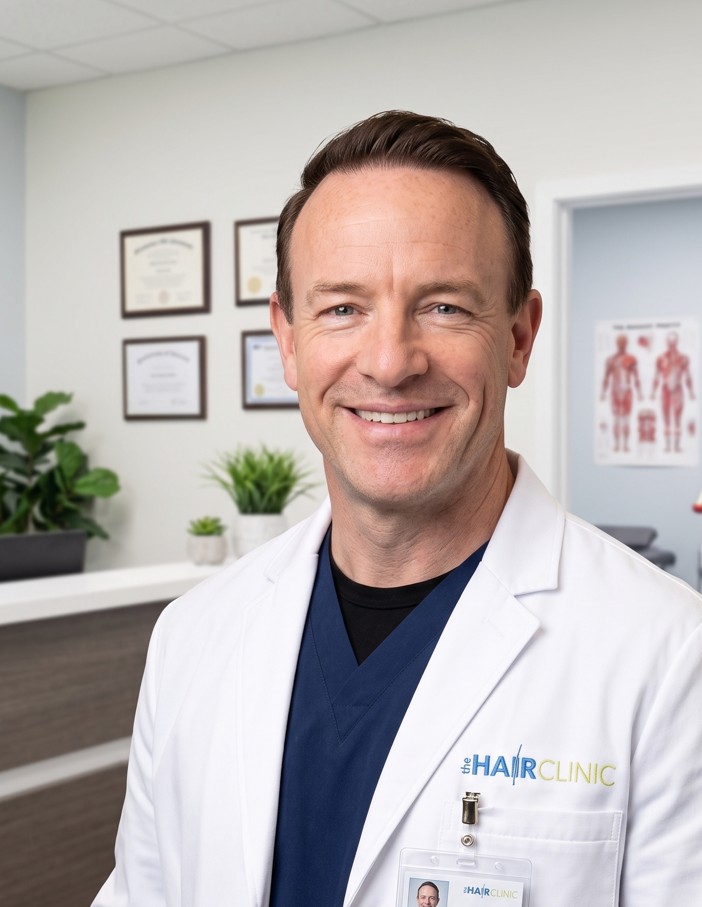
During a professional assessment, we use microcamera analysis to provide a high-definition view of your scalp health. This technology allows us to track follicle diameter and identify signs of improved circulation that are not yet visible to the naked eye. Having a professionally managed plan ensures that your efforts are properly targeted and that you use the most effective methods for your specific condition.
This structured approach removes the guesswork and provides a clear, clinical path toward restoring your hair and your confidence.
Contact our specialists today to discuss your hair restoration options.
Take the Next Step Toward Follicle Restoration
With over 20 years of experience in Irish hair restoration, The Hair Clinic offers specialised treatments used globally to restore hair health.
Our local clinics in Cork and Waterford ensure that high-level medical expertise is accessible within your own community. We are dedicated partners in your journey toward restoration, providing the clarity and results you deserve.
Book your complimentary scalp analysis at The Hair Clinic today
The biological window for intervention is precious. Taking action today ensures you're doing everything possible to preserve and revitalise your hair for the future.
Frequently Asked Questions
How long does it take to see results from improved scalp circulation?
It typically takes three to six months of consistent effort to notice visible changes in hair density or texture.
Because the hair growth cycle operates in long phases, follicles require time to transition from the resting stage back into the active stage.
Patience is essential whilst your scalp environment stabilises and blood flow begins to revitalise the dermal papilla. Regular monitoring at a clinic can help track these subtle changes before they become obvious.
Can scalp massage cause more hair to fall out initially?
You may notice a slight increase in shedding when you first begin a massage routine. This is usually just the mechanical shedding of hairs that were already in the telogen (resting) phase.
These hairs were already destined to fall out; the massage simply accelerates the process, making room for new, healthier strands supported by improved nutrient delivery. This temporary shift is a normal part of the restoration process.
Is laser hair therapy more effective than manual massage for circulation?
Laser Hair Therapy is significantly more effective than manual massage because it uses specific light wavelengths to reach the base of the follicle. Whilst massage provides surface-level stimulation, LLLT triggers a deep cellular response that increases ATP production.
This medical-grade approach is the most efficient way to learn how to improve scalp circulation for hair growth when manual methods alone are not producing the desired results.
What is the best essential oil for boosting blood flow to the scalp?
Rosemary oil is widely regarded as one of the most effective natural stimulants for scalp microcirculation. Some clinical studies suggest its effectiveness is comparable to mild topical medications when used consistently over several months.
Peppermint oil is another excellent choice, as it provides a cooling sensation that triggers vasodilation. Always dilute these potent oils with a carrier oil, such as jojoba, to avoid skin irritation.
Does wearing a hat restrict blood flow and cause hair loss?
Wearing a hat does not typically restrict blood flow enough to cause hair loss. The vessels that supply the hair follicles are located deep within the scalp tissue and are not easily compressed by standard headwear.
However, if a hat is exceptionally tight, it might cause friction or tension that can lead to traction alopecia. For most people, hats are perfectly safe and don't interfere with the natural hair growth cycle.
How often should I perform the inversion method for hair growth?
Most practitioners recommend performing the inversion method once per day for seven consecutive days, followed by a three-week break.
This specific schedule prevents your body from becoming too accustomed to the shift in blood pressure, which maintains the effectiveness of the technique.
It's a useful supplementary technique for anyone exploring how to improve scalp circulation for hair growth alongside professional clinical treatments in Cork or Waterford.
Can poor circulation be the primary cause of female pattern baldness?
Poor circulation is rarely the sole cause of female pattern baldness, which is usually driven by genetics and hormonal changes.
However, reduced blood flow acts as a significant compounding factor that accelerates follicle miniaturisation.
By improving the delivery of oxygen and proteins, you can help slow down the thinning process and support the overall resilience of the remaining hair follicles during the biological window of opportunity.
Are there any medical conditions that prevent the use of scalp stimulation?
You should avoid intense scalp stimulation if you have active skin infections, open wounds, or have recently undergone scalp surgery.
Those with high blood pressure, heart conditions, or vertigo should be particularly cautious with the inversion method.
If you have a history of circulatory disorders, it is vital to consult with a specialist at our clinics before starting a new routine to ensure the methods are safe for your specific health profile.
Disclaimer
Please note that the information provided is for general guidance only and should not be taken as professional advice tailored to your specific circumstances.
Find out if Laser Hair Therapy is right for you
At The Hair Clinic, we make managing thinning hair simple and stress free. No more worrying about which products to trust, as we do all the hard work for you. Our Cork & Waterfood teams are here to help you find the perfect, clinically proven treatment plan to suit your goals.
Want to know how laser therapy can stimulate growth and what kind of results you could expect?
No problem. Get in touch with our friendly team today to book your free consultation, and we’ll be happy to help.
Related Hair Treatment News & Guides
If you liked this guide then you may also like the following:

Best Hair Loss Clinic Ireland and How to Choose the Right Specialist
Did you know that nearly half of all Irish men under the age of thirty believe they are already experiencing some form of hair thinning?For women, the...

Women’s Hair Loss Specialist Waterford | Expert Clinical Solutions in 2026
Did you know that 28% of women in Ireland now rank thinning hair as their primary beauty concern, even above dryness or breakage?If you have spent your...

FUE Surgery Financing in Ireland, A Cork Cost Comparison
What if the primary barrier to restoring your confidence wasn't the medical procedure itself, but simply the way you chose to pay for it?Many people...
Professional Laser Hair Treatment in Waterford
What if the reason your hair growth has stalled isn't just down to genetics, but a physical barrier resting directly on your skin?It's deeply frustrating...

Stress Related Hair Loss Treatment and Clinical Recovery Guide
Three months after a period of intense pressure, you might notice your hairbrush collecting far more strands than usual. This delayed reaction is a...
Essential post-FUE care instructions for optimal hair regrowth
Did you know that clinics with structured aftercare protocols report graft survival rates of up to 95 per cent, whilst those without them may see rates...