
 2 Camden Pl, Patrick’s Bridge,


HAIR LOSS SPECIALISTS / TRICHOLOGISTS IN NAAS
The Hair Clinic first opened its doors in 2005[cite: 1]. Over that time, we have treated over 17,500 patients with a range of hair loss conditions, many of whom visit us from Naas and across County Kildare[cite: 1].
What is a Trichologist
A trichologist is a qualified hair and scalp specialist who diagnoses and treats non-scarring alopecias, scalp dermatoses, and structural hair fibre damage. Unlike hairdressers, trichologists use diagnostic tools like digital trichoscopy to evaluate follicular miniaturisation, identify inflammatory scalp conditions, and establish whether hair loss is metabolic, hormonal, or genetic before designing a clinical management protocol.
The Naas Patient Care Pathway
Unlike general cosmetic salons or aesthetic clinics offering one-size-fits-all treatments, our trichology clinic operates as an evidence-based clinical facility. We triage every patient through a structured three-stage medical matrix.
Typical Consultation Process in Naas
An initial trichological consultation in Naas begins with an in-depth clinical history, followed by high-magnification digital trichoscopy to examine follicular openings, vascular patterns, and hair calibre diversity. The specialist performs hair pull testing, reviews medical histories, and coordinates with local general practitioners for targeted blood investigations to identify underlying physiological triggers.
In-Clinic Digital Trichoscopy
Microscopic evaluation on South Main Street to confirm open follicular ostia, detect early miniaturisation, and separate non-scarring thinning from cicatricial conditions.
GP-Coordinated Blood Diagnostics
Direct communication with your Naas GP to requisition targeted blood work, evaluating functional biomarkers rather than broad general averages.
Targeted Care or Referral
Formulation of an active multimodal clinical protocol, or immediate referral to a hospital dermatologist if scarring alopecia requires a formal punch biopsy.
The Follicular Window of Opportunity
Once fibrotic tissue seals a follicular opening, non-surgical revival is no longer possible. Clinical intervention must begin while follicles are actively miniaturising rather than permanently closed.
Trichology vs Commercial Styling
A certified trichologist focuses on scalp medicine, cellular biology, and pathology. We identify underlying medical causes rather than masking hair loss with cosmetic styling.
Multifactorial Etiology
Shedding rarely stems from a single isolated cause. Lasting restoration addresses genetic sensitivity, nutrient levels, systemic inflammation, and the scalp microbiome together.
Biological Timeline for Regrowth
Hair grows in extended cycles. You can expect initial stabilisation and reduced shedding between weeks 8 and 12, with measurable increases in density appearing between 4 and 6 months.
Common Hair Loss Triggers in Women
Female hair loss typically stems from androgenetic alopecia, acute or chronic telogen effluvium, or nutritional deficiencies. Common biological triggers include sub-optimal serum ferritin storage, thyroid dysregulation, post-febrile illness, rapid shifts in postpartum oestrogen levels, and perimenopausal androgen sensitivity. Accurate diagnosis requires clinical trichoscopic assessment paired with comprehensive hormonal and haematological blood testing.
HOW WE PINPOINT YOUR HAIR LOSS
When you visit our clinic on South Main Street, we do not simply glance at your scalp and guess. Finding out why your hair is thinning starts with precision diagnostic technology to evaluate your exact scalp condition.
Trichologist vs Dermatologist Referral Criteria
Trichologists manage non-scarring alopecias like androgenetic thinning, telogen effluvium, and common scalp flaking through non-surgical therapies. When clinical trichoscopy reveals scarring alopecias such as frontal fibrosing alopecia, suspicious cutaneous lesions, or active bacterial infections, the patient is referred to a medical consultant dermatologist for surgical scalp biopsies and systemic prescription immunosuppressants.
Digital Trichoscopy & Scalp Dermoscopy
Using high-resolution polarised lenses, we magnify hair follicles to uncover early follicular miniaturisation, peripilar signs, and micro-vascular changes around follicular ostia.
Phototrichogram Analysis
We calculate the ratio of active growing anagen hairs against resting telogen hairs to establish exact clinical benchmarks and monitor progress at every review.
WORKING WITH LOCAL DOCTORS AND CONSULTANTS
Serum Ferritin & Full Blood Count (FBC)
Standard HSE reference ranges (15–200 ug/L) merely rule out clinical anaemia. In trichology, an active target threshold of 50–70 ug/L is essential to sustain uninterrupted anagen hair growth cycles.
Thyroid-Stimulating Hormone (TSH)
Endocrine screening to rule out subclinical hypothyroidism or hyperthyroidism presenting as unexplained diffuse hair shedding.
Dermatologist Referral Pathways
Direct secondary care referral for histopathology and scalp punch biopsies under Institute of Trichologists (IoT) and IAT governance.
PROVEN CLINICAL AND MEDICAL TREATMENTS
Most patients we see are affected by androgenetic alopecia, driven by genetic sensitivity to dihydrotestosterone (DHT) converted by 5-alpha reductase. We deploy proven therapeutic protocols matched to your diagnosis.
Non-Surgical Treatment Options
Evidence-based non-surgical hair restoration relies on multi-therapeutic pathways to stop follicular miniaturisation. Standard protocols combine topical or oral vasodilators like minoxidil, 5-alpha reductase inhibitors, clinical-grade low-level laser therapy (photobiomodulation), targeted nutritional replacement, and platelet-rich plasma treatments. Clinical success depends on intervening while the hair follicle remains biologically viable and intact.
Targeted Medication
Topical and oral minoxidil paired with targeted treatments that inhibit 5-alpha reductase to reduce local DHT sensitivity.
Low-Level Laser Therapy
Clinical LLLT photo-biomodulation designed to stimulate cellular cytochrome c oxidase and re-energise dormant follicles.
PRP Therapy
Platelet-rich plasma delivering autologous growth factors directly into regions of active thinning to stimulate vascular renewal.
FUE Surgery
Precision Follicular Unit Extraction transplant procedures to permanently restore density in areas of advanced loss.
Book Your Free Consultation in Naas
Speak directly with an experienced trichologist at our Naas clinic to diagnose your hair loss and build your tailored treatment plan.
Book Your Free Consultation Or call our Naas clinic on (045) 248018Frequently Asked Questions
Clear clinical guidance covering diagnostic consultations, prescription medications, scalp conditions, and non-surgical hair restoration options in Naas and County Kildare.
What happens during a private trichologist consultation in Naas?
A private consultation begins with a detailed medical, nutritional, and genetic history review. Your trichologist inspects the scalp using polarised digital trichoscopy to evaluate follicular ostia, hair diameter diversity, and scalp inflammation, concluding with an individualised diagnostic plan.
How do I know if I need a trichologist or a dermatologist for hair loss?
Consult a trichologist for non-scarring pattern thinning, telogen shedding, and holistic scalp maintenance. If symptoms present with acute erythema, pustules, severe pain, or rapidly spreading cicatricial scarring, immediate referral to a medical dermatologist for a scalp biopsy is essential.
What specific blood tests should my Naas GP run before I visit a hair clinic?
Request a comprehensive hair panel through your GP, including a full blood count (FBC), serum ferritin, thyroid-stimulating hormone (TSH), free T4, vitamin D3, serum zinc, active B12, and a total androgen profile if female pattern hair loss is suspected.
Can a trichologist in County Kildare prescribe oral minoxidil or finasteride?
Trichologists are non-prescribing hair and scalp specialists. They formulate evidence-based treatment plans and liaise directly with your local GP or an associated prescribing physician to issue prescription medications such as oral minoxidil, finasteride, or dutasteride.
How much does an initial hair and scalp analysis cost in Naas?
Initial diagnostic scalp consultations in County Kildare typically range from €95 to €195 depending on the scope of digital trichoscopy, microscopic hair bulb bulbograms, and customized treatment mapping included in the session.
What is the difference between male pattern baldness and telogen effluvium?
Male pattern baldness (androgenetic alopecia) presents as gradual, progressive follicular miniaturisation restricted to the temples and crown. In contrast, telogen effluvium causes sudden, diffuse shedding across the entire scalp triggered by physiological stress, illness, or systemic deficiency.
How does a trichologist diagnose frontal fibrosing alopecia before scarring starts?
Early-stage diagnosis relies on high-resolution dermoscopy to detect peripilar erythroderma, follicular hyperkeratosis, and lone hairs along the frontotemporal margin before irreversible cicatricial destruction wipes out the follicular openings.
Are low-level laser therapy treatments for hair regrowth effective in clinical practice?
Yes. Clinical low-level laser therapy (LLLT) uses coherent light at 650–670 nm wavelengths to trigger photobiomodulation. This stimulates cytochrome c oxidase in cellular mitochondria, extending the active anagen phase and increasing hair shaft caliber in miniaturising hairs.
Can severe stress cause permanent bald patches or will the hair grow back?
Telogen effluvium provoked by severe physiological stress is non-scarring, meaning follicles remain intact and natural regrowth typically resumes within 6 to 9 months once the trigger resolves. Patchy hair loss linked to stress-induced alopecia areata requires targeted immunomodulatory intervention.
What ferritin level is required for active female hair regrowth?
While standard laboratory baseline ranges consider 15 to 30 ng/mL normal, clinical trichology standards require a minimum serum ferritin of 50 to 70 ng/mL to maintain uninterrupted hair follicle cell division and prevent excessive shedding.
Which clinics offer platelet-rich plasma injections for thinning hair near Naas?
Specialist aesthetic clinics in Naas, Newbridge, and nearby south Dublin medical hubs provide autologous PRP treatments, isolating platelets and growth factors from a venous blood draw before micro-injecting them into thinning scalp zones.
Why is my crown shedding rapidly after stopping hormonal contraception?
Stopping anti-androgenic oral contraceptives creates a rapid plunge in systemic oestrogen alongside a relative rise in androgen activity, throwing large cohorts of active follicles simultaneously into the telogen resting phase.
Can a trichologist help with persistent scalp psoriasis and thinning hair?
Yes. Trichologists utilise keratolytic scalp descaling compounds, anti-inflammatory anti-fungal washes, and soothing botanical steamers to remove adherent silver plaques gently without causing traction loss to underlying follicle ostia.
How early should I see a hair specialist if I notice a receding hairline?
Early evaluation is critical. Up to 50% of follicular miniaturisation happens before visible scalp thinning becomes apparent to the naked eye; early clinical stabilization halts progressive loss before the follicle completely atrophies.
Is hair loss after pregnancy treated differently than genetic thinning?
Yes. Postpartum alopecia is a temporary, self-limiting telogen effluvium triggered by the sudden postpartum drop in oestrogen. Management prioritises nutritional repletion, iron restoration, and gentle topical care rather than androgen-suppressive medications.
Does medical insurance in Ireland cover consultations with a certified trichologist?
Private health insurance schemes in Ireland (such as VHI, Laya, and Irish Life Health) typically categorise trichology as an allied healthcare specialty, meaning routine diagnostic consultations are generally settled privately unless overseen by a registered consultant dermatologist.
What qualifications should I verify before booking a hair loss specialist in Kildare?
Ensure your practitioner holds formal clinical accreditation with recognised governing bodies such as The Institute of Trichologists (IoT), the International Association of Trichologists (IAT), or the World Trichology Society (WTS).
Can digital trichoscopy tell if my hair follicles are completely dead?
Yes. Trichoscopy identifies fibrotic white dots and absence of follicular openings, which confirm permanent cicatricial closure. Yellow dots and empty ostia, however, indicate resting or miniaturised follicles that retain regrowth potential.
How long does clinical treatment take before noticeable hair density returns?
Because hair follicles operate on a slow biological cycle, initial shedding reduction takes roughly 8 to 12 weeks, with visible increases in shaft caliber and crown density evident between months 4 and 6 of continued treatment.
What is the success rate of non-surgical hair restoration for women over 50?
Non-surgical protocols achieve stabilization rates above 80% and measurable density improvements in 60–70% of postmenopausal patients when combining vasodilators, anti-androgen topicals, and low-level laser stimulation.
When should a patient be referred to a hospital dermatology department for alopecia?
Referral to a hospital dermatology department is indicated for suspected scarring alopecias (such as lichen planopilaris or discoid lupus), rapidly developing total body hair loss, or treatment-resistant inflammatory ulcerations.
How do local trichologists treat severe seborrhoeic dermatitis affecting hair growth?
Treatment combines antifungal agents targeting Malassezia yeast overgrowth (such as ketoconazole or ciclopirox olamine), keratoregulating lotions, and gentle scalp cleansers to alleviate perifollicular inflammation without compromising hair integrity.
What topical formulations are safe to use for sensitive, inflamed scalps?
Formulations free from propylene glycol, denatured alcohols, and artificial fragrance are recommended. Calming actives include bisabolol, piroctone olamine, and peptide complexes delivered via hypoallergenic liquid or foam vehicles.
Can thyroid medication reverse diffuse hair thinning across the whole scalp?
Once thyroid hormone levels (specifically free T3 and free T4) stabilize on appropriate medication such as levothyroxine, telogen shedding gradually normalises, with regrowth typically following within 4 to 6 months.
Is sudden, patchy hair loss always caused by alopecia areata?
Not always. While alopecia areata is the most frequent presentation, sudden patchy loss can also arise from fungal infections like tinea capitis, traction alopecia, localized trichotillomania, or secondary syphilis.
How do trichologists distinguish between shedding hair shafts and broken hairs?
Under polarised magnification, shedded hairs display intact bulb anatomy (a rounded white keratinised root), whereas broken shafts display frayed, fractured tips with no bulb structure, pointing to mechanical or chemical hair shaft trauma.
Where can I find professional hair thinning treatments near Sallins and Naas?
Centrally located on South Main Street in Naas, our clinic serves Sallins, Kill, Newbridge, and the wider Kildare region with clinical trichology diagnostics and non-surgical hair restoration programs.
Does microneedling the scalp work without applying topical active medications?
Standalone microneedling stimulates localized release of platelet-derived growth factors and induces mild collagen renewal. However, clinical results are significantly enhanced when paired with active topical solutions like minoxidil or biomimetic peptides.
How does high dihydrotestosterone cause follicles to miniaturise over time?
DHT binds to androgen receptors inside susceptible dermal papilla cells, upregulating TGF-beta and shortening the anagen growth cycle while prolonging the telogen phase. Over successive cycles, the hair shaft becomes progressively finer, shorter, and less visible.
What non-invasive options exist in Naas for people who cannot take finasteride?
Non-systemic alternatives include clinical low-level laser therapy (LLLT), autologous PRP treatments, botanical 5-alpha reductase inhibitors like saw palmetto, and topical minoxidil formulations.
Find out more…
Success stories
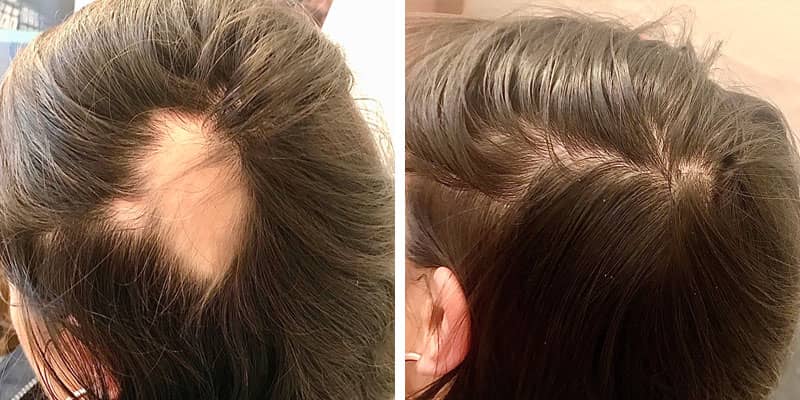
"Hair loss has been a problem for me for 5 years, getting steadily more noticeable until my family have started to comment, as a 22 year old girl this has affected my confidence quite badly.
I spoke with the clinic and commenced treatment early this year. I am so happy with the results as the shedding has stopped and my hair looks the best it has for years. I would also like to say how wonderful the staff are there and nothing is too much trouble."KS
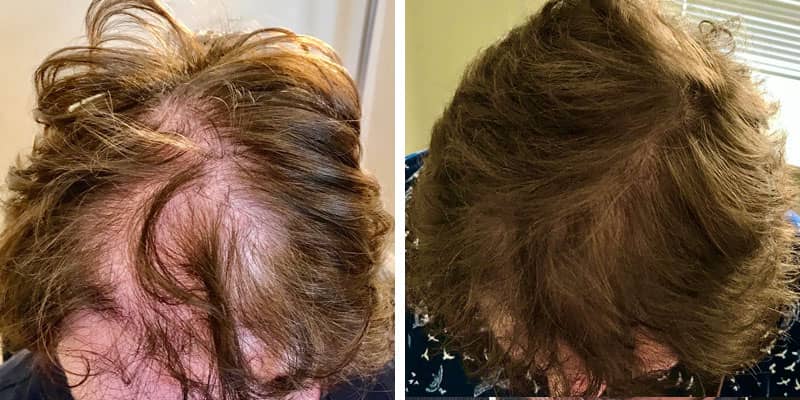
"I have renal failure and as a result have experienced a lot of hair loss. As a nurse I did a lot of research before deciding on this course of treatment.
It requires commitment and patience but after 6 months it paid off. I had very good response to treatment and my hair was thicker and healthier than prior to treatment. I highly recommend The Hair Clinic and I am thrilled with the results, thank you Gino and Mark."JL
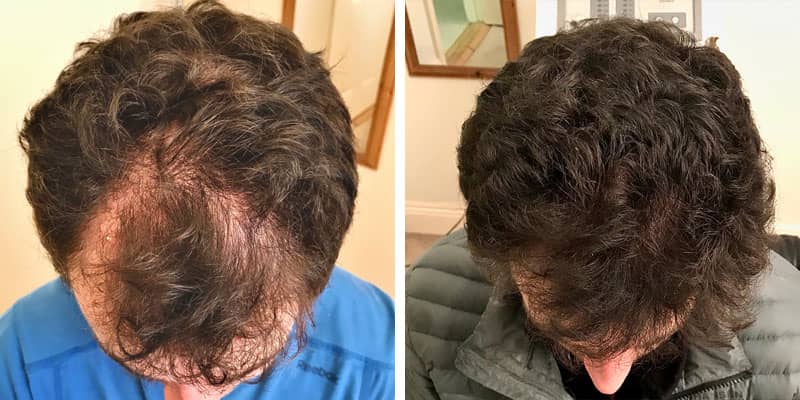
"I am 23 and started noticing hair loss about 2 years ago. It was never extreme or noticeable to anyone else however having noticed it myself I had to start now before it had gotten too far.
After 9 months of treatment I have noticed much less hair falling out than before and believe this treatment has put a halt in the balding process. I am very pleased with the results and during the treatment the staff were fantastic organising the sessions."SH