
 2 Camden Pl, Patrick’s Bridge,
Home > Latest News & Guides > Essential post-FUE care instructions for optimal hair regrowth
Essential post-FUE care instructions for optimal hair regrowth
Contact us today
Date added: 11/09/26
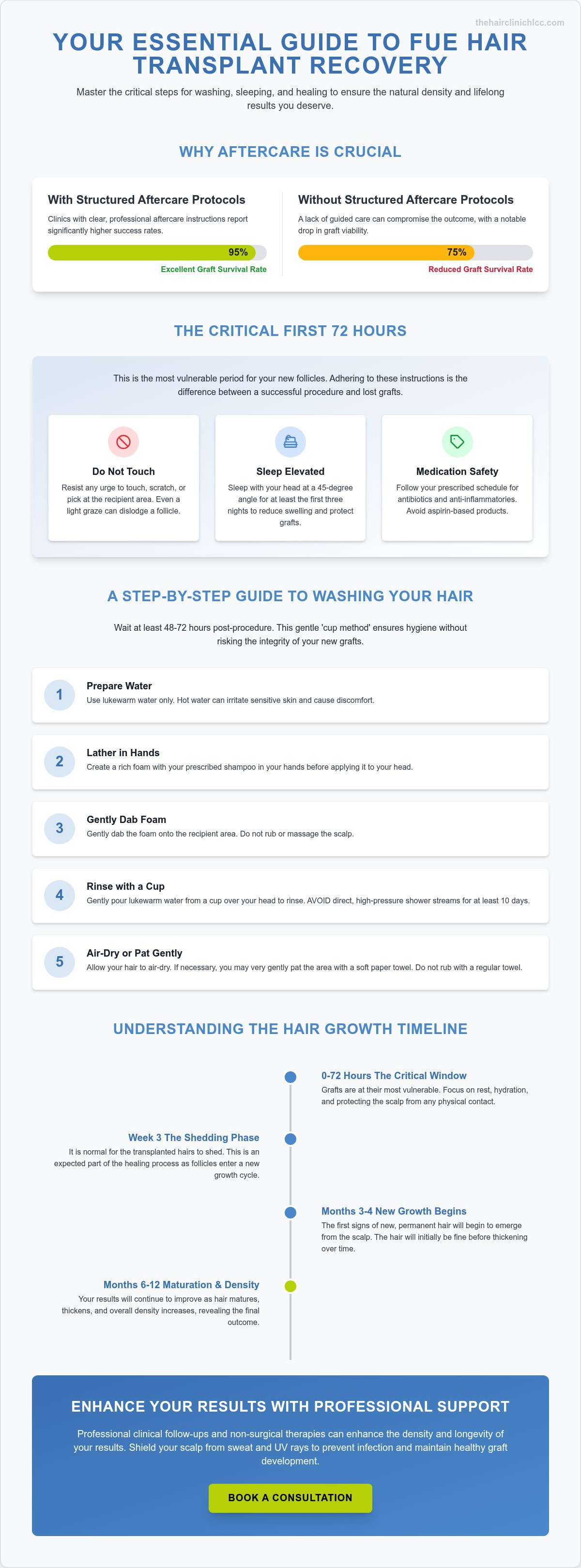
Did you know that clinics with structured aftercare protocols report graft survival rates of up to 95 per cent, whilst those without them may see rates as low as 75%?
This statistic highlights how vital the weeks following your procedure are for your final result.
You have likely spent a significant amount of time and emotion on your journey to restoration, so it's understandable to feel anxious about protecting those delicate new follicles.
Following specific post-FUE care instructions is not just about comfort; it is a clinical necessity to ensure every graft takes root successfully.
We understand the worry that comes with every itch or the fear of accidentally dislodging a graft during sleep.
It's common to feel overwhelmed by conflicting advice found online, but your recovery should be a time of quiet reassurance rather than stress.
We promise to provide a clear, expert roadmap to help you master the critical steps of your hair transplant recovery.
This guide previews the essential washing techniques, sleeping protocols, and professional milestones that will help you achieve the natural density and lifelong results you deserve.
Key Takeaways
- Learn why the first seventy two hours are the most critical window for graft survival and how to protect your scalp during this phase.
- Discover the gentle cup method for washing your hair to ensure you follow post-FUE care instructions correctly without damaging new follicles.
- Understand how to shield your scalp from sweat and UV rays to prevent infection and maintain healthy graft development.
- Find out why shedding at week three is a normal part of the healing process and what to expect as your new hair matures.
- Explore how professional clinical follow-ups and non-surgical therapies can enhance the density and longevity of your results.
Table of Contents
- Managing the first seventy two hours after your FUE surgery
- A step by step guide to washing your hair after FUE
- Lifestyle restrictions to ensure healthy graft survival
- Understanding the hair growth timeline and shedding phase
- Enhancing your results with professional clinical support
If you have any concerns about your recovery process, you can reach out to our specialist team for a personal consultation.
Managing the first seventy two hours after your FUE surgery
The first 72 hours represent a critical biological window for your recovery. During this period, the newly implanted follicles are at their most vulnerable. They have not yet established a firm blood supply or anchored securely into the scalp tissue. Adhering to strict post-FUE care instructions during this phase is the difference between a successful procedure and lost grafts. You must resist any urge to touch, scratch, or pick at the recipient area. Even a light graze can dislodge a follicle before it has had the chance to take root.
The science behind Follicular Unit Extraction (FUE) shows that the initial healing process involves the formation of tiny scabs that act as natural bandages. Whilst your scalp may feel tight or itchy, these scabs must remain undisturbed. Minor oozing from the donor site and some forehead swelling are normal physiological responses. Staying hydrated and prioritising rest allows your body to direct its energy toward cellular repair. This quiet period of inactivity is vital for your hair's long-term health.
Sleeping positions to protect your new grafts
Protecting your investment whilst you sleep requires a deliberate strategy. You should sleep with your head elevated at a forty five degree angle for at least the first three nights. Using a travel pillow or a stack of firm pillows helps maintain this position and prevents you from rolling onto the recipient area. This elevation also reduces the risk of post-operative swelling by encouraging fluid drainage. To protect your bedding from minor discharge from the donor site, place a clean, soft towel over your pillowcase.
Pain management and medication safety
Managing your comfort is a priority, but it must be done with clinical precision. Always follow the specific antibiotic and anti-inflammatory schedule provided by your clinical team. These medications are essential for preventing infection and controlling inflammation during the early stages of healing. Avoid any aspirin-based products, as these can thin the blood and increase the risk of bleeding. If you experience mild tenderness, it is usually a sign of the healing process. However, if you notice throbbing pain, excessive redness, or a fever, you should contact your specialist immediately to ensure your recovery remains on track.
If you would like to discuss your recovery journey with a specialist, please book a consultation with us today.
A step by step guide to washing your hair after FUE
Washing your hair for the first time after a transplant is a significant milestone. It often brings a mix of relief and anxiety. Most clinics advise waiting at least 48 to 72 hours before attempting your first at-home wash. This pause ensures the initial scabbing has formed sufficiently to protect the follicles. Following these post-FUE care instructions carefully will help keep the area clean for regrowth without risking the integrity of your new grafts. It's a delicate balance between hygiene and protection.
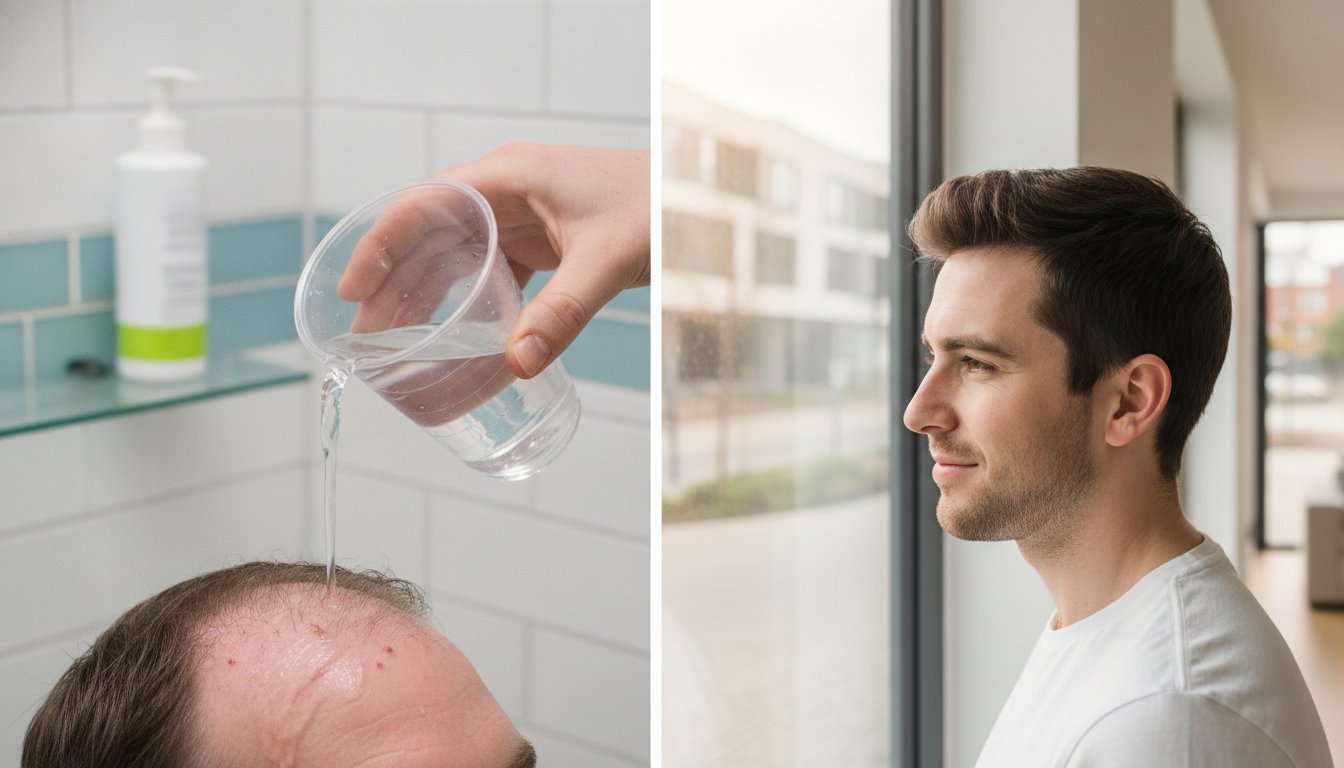
The most effective technique during the first fortnight is the cup method. You should never allow a direct stream of water from a shower head to hit your recipient area. Instead, fill a clean cup with lukewarm water and gently pour it over your head. This controlled rinse provides enough volume to clean the scalp without the mechanical force that could dislodge a graft. When drying, you must avoid the temptation to rub with a towel. Air-drying is the safest option, whilst you may gently pat the area with a soft paper towel to absorb excess moisture if necessary.
The first wash at home
Water temperature is a vital detail that many patients overlook. You must ensure the water is lukewarm. Hot water can irritate the sensitive, healing skin and increase blood flow to the surface, potentially causing discomfort or minor bleeding. Before applying any product, create a rich foam lather in your hands. Gently dab this foam onto the grafted area rather than rubbing it in. Following these post-transplant aftercare tips ensures you don't disturb the biological anchoring process. You must avoid high-pressure shower heads for at least ten days to prevent unnecessary trauma to the scalp.
Choosing the right scalp hygiene products
The products you use on your healing scalp should be as gentle as possible. You must avoid harsh chemicals, sulphates, or heavy fragrances that could trigger inflammation. Specialised scalp cleansers are often recommended because they help soften and remove crusting without the need for aggressive scrubbing. Maintaining a pristine environment is essential for preventing infection and ensuring the best possible density. For those looking for extra support, a professional scalp hygiene treatment can provide deep cleaning in a controlled clinical setting. If you feel unsure about which products are right for your skin type, speak with our team for tailored advice.
To ensure your recovery is progressing as expected, contact our expert team for a follow-up assessment.
Lifestyle restrictions to ensure healthy graft survival
The success of your hair restoration depends heavily on the environment you provide for your follicles during the first few weeks. Whilst the surgery itself is a technical triumph, the biological integration of each graft is sensitive to external stressors. Sweat and bacteria pose a significant risk during the initial ten days. Because the incisions are still healing, perspiration can trap bacteria against the scalp, which may lead to folliculitis or infection. Adhering to these post-FUE care instructions involves more than just hygiene; it requires a temporary shift in your daily habits to protect your investment.
Environmental factors like UV exposure are equally critical. You must prioritise sun protection for the first six months. Newly transplanted skin lacks the natural defences of healthy tissue, making it highly susceptible to sunburn and permanent hyperpigmentation. Smoking is another major hurdle to graft survival. Nicotine causes vasoconstriction, which reduces the essential blood flow and oxygen delivery to the scalp. This lack of nourishment can result in poor graft "take" or stunted growth. Additionally, you should avoid wearing tight hats or helmets for at least fourteen days to prevent mechanical friction from dislodging the follicles.
Exercise and physical exertion limits
Your body needs to remain in a state of low exertion to prevent blood pressure spikes. Whilst light walking is encouraged from the third day to improve circulation, heavy lifting and high-intensity interval training are strictly prohibited for at least two weeks. Sudden increases in blood pressure can cause "popping," where the grafts are physically pushed out of their channels. You should wait at least four weeks before returning to swimming pools or the sea, as chlorine and salt water can irritate the healing scalp and increase the risk of infection.
Diet and alcohol considerations
What you consume directly impacts your body's ability to repair tissue. Alcohol must be avoided for at least five days post-surgery because it thins the blood and can increase the risk of minor bleeding or prolonged swelling. A low-sodium diet is also recommended during the first week to help reduce the fluid retention that causes forehead oedema. Focus on nutrient-dense foods rich in protein, zinc, and iron, which provide the building blocks for hair follicle activation. These small adjustments create a supportive internal environment that allows your new hair to thrive during the critical transition from surgery to growth.
If you are concerned about hair shedding after your procedure, speak to our specialists for professional reassurance.
Understanding the hair growth timeline and shedding phase
The months following your surgery are often described as a psychological test. Whilst the initial healing happens relatively quickly, the biological timeline for hair growth is much slower. Many patients feel a sense of alarm when their newly transplanted hair begins to fall out around the third week. This shedding is a perfectly normal sign of a healthy follicle transition. It indicates that the follicle has entered a resting phase before it begins to produce new, permanent hair. Adhering to your post-FUE care instructions during this time is essential to ensure the scalp remains healthy whilst these internal changes occur.
During the first three months, you may not see much visible progress. This period is often called the "dormant phase." The follicles are alive and well under the skin, but they are not yet producing visible shafts. You might notice very fine, colourless hairs known as vellus hairs appearing first. These are the precursors to terminal hair. Over time, these fine strands will thicken and darken as the follicle matures. Patience is a clinical necessity during this stage of your recovery journey.
The shock loss phenomenon
It is important to distinguish between graft loss and temporary hair shedding. Graft loss happens in the first few days if a follicle is physically dislodged. Shedding, or shock loss, occurs weeks later when the hair shaft falls out but the root stays safely in place. Sometimes, the existing hair surrounding the transplant site may also thin temporarily due to the trauma of surgery. This is a transient behaviour of the scalp. Your hair will typically return to its previous density, along with the new growth, as the healing process completes.
When to expect visible results
The six-month milestone is usually when the real transformation begins. By this point, most patients see enough new growth to appreciate the improved density and shape of their hairline. However, the journey does not end there. Final results often take twelve to eighteen months to fully manifest. During this time, the hair continues to mature in texture and thickness. We recommend documenting your journey with progress photographs taken from the same angles and lighting every month. This provides a clear, objective record of your success. If you want to ensure your growth is on the right track, contact our clinic for a professional progress review.
To ensure your recovery is progressing as expected, contact our expert team for a follow-up assessment.
Enhancing your results with professional clinical support
Completing your procedure is a monumental step, but the journey towards full density continues long after you leave the clinic. Clinical follow-ups serve as an essential safety net to ensure your recovery is progressing exactly as intended. These appointments allow specialists to monitor how well you are managing your post-FUE care instructions and to observe the biological integration of the follicles. If you encounter persistent redness or unusual scalp irritation, professional validation ensures these symptoms are managed before they can impact graft survival. We view our role as a dedicated partner in your restoration, providing the quiet reassurance you need during the delicate months of healing.
The synergy between surgical precision and non-surgical therapies is often what separates a good result from an exceptional one. Whilst the surgery relocates follicles, clinical support focuses on the health of the entire scalp environment. Addressing inflammation and ensuring optimal blood flow are clinical necessities for long-term success. By moving from a state of worry toward a proactive solution-seeking mindset, you can protect your investment and ensure that your new hair has the strongest possible foundation to thrive. Research indicates that clinics offering structured aftercare protocols report graft survival rates of up to 95 per cent, which underscores the importance of professional oversight.
The role of laser hair therapy in recovery
Integrating low level laser therapy for hair into your recovery routine can significantly enhance your results. This technology uses specific wavelengths of light to stimulate cellular energy, which increases blood flow directly to the newly implanted grafts. By improving circulation, LLLT ensures that each follicle receives the oxygen and nutrients required for successful take-up. It also helps to reduce post-operative inflammation and can speed up the healing of the donor area. Our clinics in Cork and Waterford offer this therapy as a supportive measure to help patients achieve the best possible density during the first six months of growth.
Long term scalp maintenance in Ireland
It's vital to recognise that surgery is only one part of the hair restoration journey. Whilst the transplanted hair is typically resistant to thinning, your existing, non-transplanted hair remains susceptible to the biological factors that caused loss in the first place. A long-term preservation strategy is essential to maintain a natural look as you age. This may include the use of DHT blockers or specialised maintenance programmes to protect your remaining hair. We invite you to book a complimentary assessment with us to monitor your progress. This allows our specialists to provide professional validation that your healing is on track and to help you organise a maintenance plan that ensures your results last a lifetime.
If you are ready to secure the future of your hair, contact us for a professional assessment.
Securing the future of your hair restoration
Reaching the end of your surgical journey is just the beginning of your regrowth phase. By following these precise post-FUE care instructions, you have given your new follicles the best possible chance to thrive. Success is built on the partnership between your daily discipline at home and the professional validation provided by your clinical team. Whether it is mastering the gentle washing techniques or navigating the psychological challenge of the shedding phase, every step you take brings you closer to natural-looking density.
We are an independently owned Irish clinic with over 20 years of experience in hair restoration. Our team utilises global HLCC protocols to ensure your recovery is safe and effective. From specialised post-operative support to the integration of Laser Hair Therapy Cork and Laser Hair Therapy Waterford, we are here to support your journey. You don't have to manage your recovery alone. Book your complimentary hair loss consultation at our Cork or Waterford clinics today to ensure your results last a lifetime. Your path to restoration is a journey we are honoured to share with you.
Frequently Asked Questions
How soon can I wear a hat after my FUE hair transplant?
You should wait at least ten to fourteen days before wearing a standard hat or baseball cap. For the first few days, a very loose surgical hat may be used if provided by your clinic. It is vital to avoid any friction or compression on the recipient area whilst the grafts are anchoring. Once the ten day mark passes, ensure any headwear is clean and does not rub against the transplanted follicles.
Is it normal for my scalp to feel numb after surgery?
Temporary numbness or a "pins and needles" sensation is a common physiological response following FUE. This occurs because the small incisions can temporarily disrupt the tiny nerve endings in the skin. Most patients find that full sensation returns gradually over the course of several weeks or months. This is a standard part of the healing process and is rarely a cause for clinical concern.
Can I use Minoxidil on my new grafts immediately?
You must wait at least two to four weeks before resuming or starting Minoxidil on the treated area. The alcohol content in topical Minoxidil can cause significant irritation to the healing incisions and may interfere with graft survival. Always follow the specific post-FUE care instructions provided by your specialist before reintroducing any chemical treatments to your scalp environment. This ensures the delicate follicles remain undisturbed during their initial growth phase.
What should I do if a graft accidentally falls out?
If you notice a graft has been dislodged, usually accompanied by minor spotting of blood, you should contact your clinic immediately. Whilst losing a single graft amongst thousands won't ruin your final result, it's important to ensure the area remains clean to prevent infection. Keep the site undisturbed and avoid any further contact. Your specialist can provide professional validation on whether the follicle itself was lost or just the hair shaft.
When can I return to work after my FUE procedure?
Most patients return to desk-based work within five to seven days after their procedure. If your job involves heavy physical labour or exposure to dusty environments, you should wait at least fourteen days to ensure the grafts are fully anchored. This timeline allows for the initial swelling to subside and for the scabbing to become less noticeable. This provides a more comfortable and stress-free transition back to your professional routine.
How do I manage the itching as my scalp heals?
Itching is a sign of healthy tissue repair, but you must resist the urge to scratch the recipient area. Using a saline spray or a gentle moisturising spray recommended by your clinic can provide significant relief. If the itching becomes persistent, your specialist may suggest a mild antihistamine. Maintaining strict hygiene through your post-FUE care instructions will also help prevent the dryness that often contributes to scalp discomfort during the first fortnight.
Can I drink coffee or caffeine after my transplant?
You should avoid caffeine for at least the first forty eight hours following your surgery. Caffeine is a stimulant that can increase blood pressure and potentially lead to minor bleeding or increased swelling at the graft sites. Once this initial window has passed, you can gradually reintroduce coffee into your diet. Staying well-hydrated with water is a much higher priority for your recovery during the first week.
When is it safe to have my first haircut after FUE?
You can typically have a gentle haircut using scissors after three to four weeks. However, you must wait at least six months before using electric clippers on the transplanted area to avoid any trauma to the maturing follicles. Always inform your barber or stylist that you've had a recent transplant. This allows them to handle your scalp with the necessary care and precision to protect your new density.
Disclaimer
Please note that the information provided is for general guidance only and should not be taken as professional advice tailored to your specific circumstances.
Find out if Laser Hair Therapy is right for you
At The Hair Clinic, we make managing thinning hair simple and stress free. No more worrying about which products to trust, as we do all the hard work for you. Our Cork & Waterfood teams are here to help you find the perfect, clinically proven treatment plan to suit your goals.
Want to know how laser therapy can stimulate growth and what kind of results you could expect?
No problem. Get in touch with our friendly team today to book your free consultation, and we’ll be happy to help.
Related Hair Treatment News & Guides
If you liked this guide then you may also like the following:

Affordable Hair Loss Solutions in Waterford, LLLT Experts
Did you know that up to 85% of men and 50% of women will experience significant hair loss during their lifetime? It's a staggering figure that highlights...
Best Treatment for Alopecia Areata Waterford and Clinical Recovery Paths
What if those sudden, circular patches appearing on your scalp aren't a permanent sentence of hair loss, but rather a biological signal that your follicles...
Telogen Effluvium Diagnosis in Cork
You step out of the shower and glance at the drain, only to feel a sharp knot of dread as you see more hair than usual gathered there.It's a deeply unsettling...
Is Laser Hair Therapy Permanent? What to Expect from LLLT Results
What if the secret to keeping your hair isn't a one-time cure, but a lifelong partnership with your follicles?Many patients ask whether laser hair therapy...
Laser Hair Therapy for Thinning Hair in Cork, The Clinical Guide to Restoration
Did you know that over 80% of Irish men experiencing hair loss report that their confidence is negatively affected? It's deeply distressing to notice...
Laser Hair Therapy at Home vs Clinic for Hair Growth in 2026
The most convenient option might actually be the one that delays your recovery. When you are comparing laser hair therapy at home vs a clinic, it is...