
 2 Camden Pl, Patrick’s Bridge,

Home > Latest News & Guides > Sudden Hair Loss in Women Over 40 Causes and Clinical Solutions
Sudden Hair Loss in Women Over 40 Causes and Clinical Solutions
Contact us today
Date added: 24/07/26
Imagine waking up to find more hair on your pillow than usual, or catching a glimpse of your scalp under the bright bathroom light.
It is a moment of genuine panic that many women face as they enter their 5th decade. Understanding what causes sudden hair loss in women over 40 is the essential first step toward reclaiming your confidence and your hair health.
You are certainly not alone in this experience; research indicates that up to 50% of women are affected by female pattern hair loss by the age of 50.
Whilst it is natural to feel a sense of worry or fear that this thinning is permanent, there is a clear path forward.
We understand the emotional weight of these changes and want to provide the professional reassurance you need.
In this guide, you will discover why sudden hair thinning occurs after forty and the professional steps you can take to restore your hair health.
We will explore the hormonal shifts of perimenopause, the biological window for effective intervention, and how clinical solutions like laser hair therapy can help you regain control over your appearance and self-image.
Key Takeaways
- Understand how hormonal fluctuations during perimenopause impact follicle health and identify what causes sudden hair loss in women over 40.
- Learn to distinguish between temporary reactive shedding and progressive thinning to ensure you choose the most effective clinical path.
- Discover why a professional scalp analysis is a vital first step in uncovering blocked follicles and assessing your unique growth potential.
- Explore the science of Low Level Laser Therapy and how targeted cellular stimulation helps to preserve and restore your hair density.
- Recognise the importance of the biological window of opportunity and why taking proactive steps today is key to long-term success.
Table of Contents
If you are concerned about changes in your hair density, reach out to our clinical team for a professional consultation.
Understanding sudden hair loss in women over 40
Sudden hair loss is rarely just a cosmetic concern; it's a clinical signal that your body's natural rhythm has been disrupted.
For many, the transition into their 5th decade brings an unexpected change in hair density that can feel overwhelming. When investigating what causes sudden hair loss in women over 40, we must look beyond the surface at how the hair follicle functions.
Whilst a general understanding of hair loss suggests that losing some hair daily is normal, a sudden increase in shedding often indicates a significant interruption in the biological growth cycle.
The age of forty represents a biological milestone for women. It's often the point where the cumulative effects of hormonal shifts, lifestyle stress, and genetic predispositions begin to manifest physically.
This change can be emotionally devastating. We recognise that seeing your scalp through your hair in bright light or finding clumps in the brush can lead to a profound loss of confidence.
Our approach focuses on why this specific age marks a turning point in follicular health. It's a period where the body's regenerative capabilities begin to slow, making the preservation of existing hair a clinical priority.
Signs that your hair loss requires professional attention
Distinguishing between normal shedding and clinical hair fall is vital for your peace of mind.
Most people lose between 50 and 100 hairs a day, but when you begin noticing a wider parting or a visible reduction in the thickness of your ponytail, it's time to seek advice.
Identifying what causes sudden hair loss in women over 40 often starts with observing these physical patterns in your daily routine.
You might see excessive hair accumulation in the shower drain or on your pillowcase each morning. These aren't just signs of ageing; they're indicators that your follicles may be entering a resting phase prematurely.
The biological growth cycle and how it changes
Every hair on your head follows a specific biological programme. The anagen phase is the active growth period, whilst the telogen phase is the resting stage. As we age, the anagen phase naturally shortens.
This means hair doesn't grow as long or as thick as it once did. Without therapeutic support, follicles can begin to miniaturise, producing thinner, weaker strands until they eventually stop producing hair altogether.
Recognising this shift is essential because there's a biological window of opportunity for effective treatment.
Once a follicle has completely ceased activity for a prolonged period, restoration becomes significantly more challenging.
To understand your specific hormonal profile and its impact on your hair, you can contact our clinical team for expert guidance.
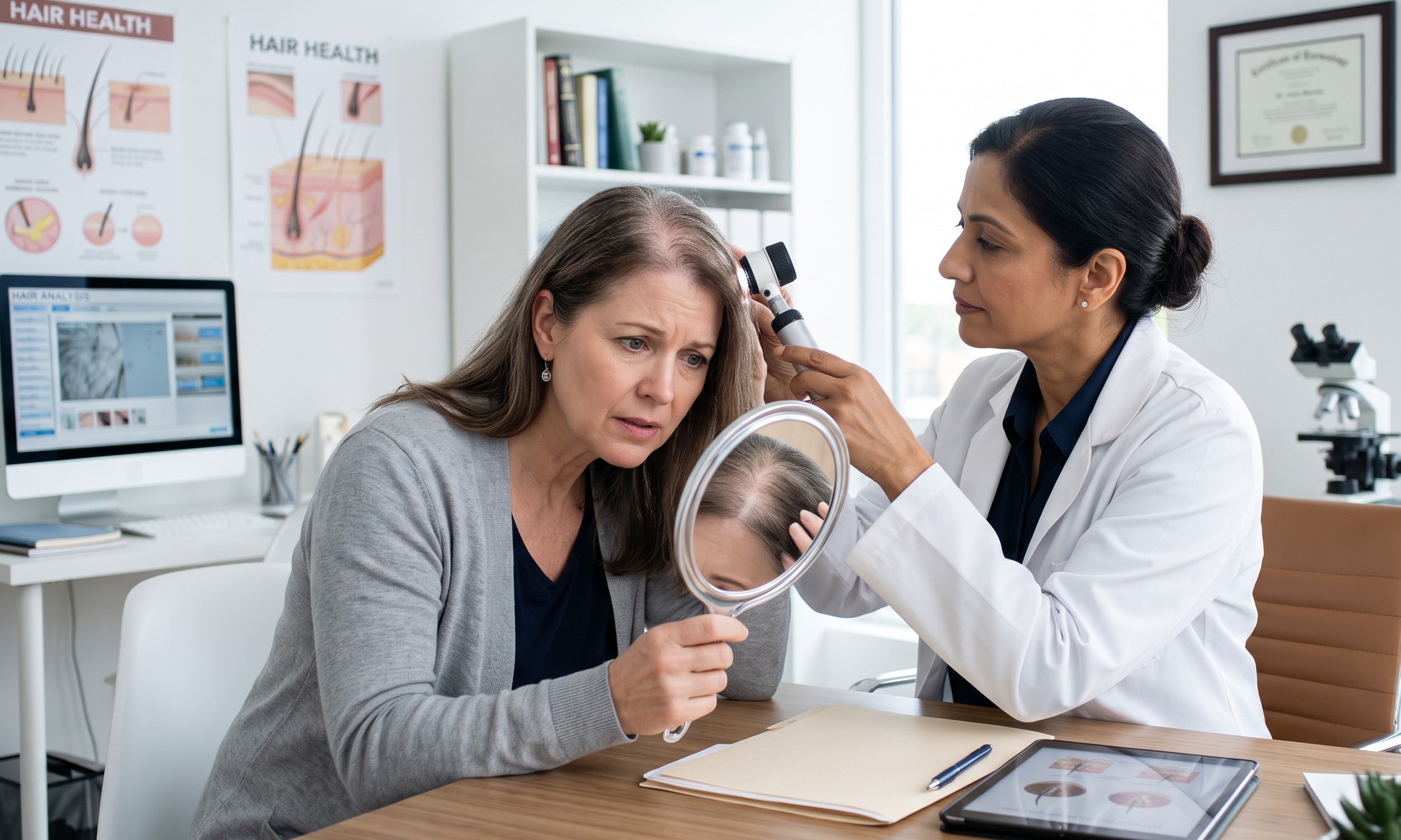
Hormonal shifts and the perimenopause connection
For many women, the most significant factor in what causes sudden hair loss in women over 40 is the intricate balance of hormones.
Oestrogen and progesterone are not just reproductive hormones; they are essential for maintaining hair density and health. Whilst we often associate menopause with later life, perimenopause can begin in your early forties, or even late thirties.
This transition period involves fluctuating levels that can lead to hormonal shifts and hair loss that feels both sudden and alarming.
As oestrogen levels begin to decline, the protective effect it has on the hair follicle diminishes. At the same time, the relative influence of androgens, which are male hormones present in all women, can increase.
This shift makes follicles more sensitive to DHT, a hormone that can cause them to shrink and produce thinner hair. The result is a frightening period of shedding that often leads women to seek professional help.
If you are experiencing these changes, it may be helpful to speak with a clinical specialist to understand your options and develop a proactive plan for preservation.
The impact of oestrogen on the hair growth phase
Oestrogen acts as a natural protector by keeping hair in the anagen, or growing, phase for as long as possible. When this hormonal support drops, follicles may shift prematurely into the resting phase.
This leads to a higher volume of hair falling out at once, which is often what triggers the initial sense of panic.
Perimenopause directly influences the biological diameter of the hair shaft, leading to a noticeable loss of overall volume as individual strands become finer and less resilient.
Thyroid health and other endocrine factors
Whilst sex hormones are a primary concern, they are not the only endocrine factors at play. Thyroid imbalances are remarkably common in women over forty and can mimic the symptoms of perimenopausal hair thinning.
An underactive thyroid often results in hair that is brittle, dry, and prone to breaking. Because the symptoms of hormonal shifts and thyroid issues overlap so closely, a professional blood test is a vital first step in determining what causes sudden hair loss in women over 40.
It allows us to distinguish between a temporary reactive state and a condition that requires long-term medical management to help keep your hair healthy and vibrant.
To determine the specific nature of your hair thinning, you can speak with our clinical experts for a comprehensive assessment.
Telogen effluvium versus female pattern thinning
Understanding the specific type of shedding you are experiencing is crucial for finding the right solution.
When exploring what causes sudden hair loss in women over 40, we often find that the issue falls into one of two categories. It is either a temporary reactive event or a progressive genetic condition.
Identifying which one is affecting you helps you explore various diagnostic and treatment options that can halt progression and encourage new growth.
Telogen effluvium is a form of temporary hair loss that occurs after a shock to the system. This could be anything from a high fever or a period of intense emotional stress to a significant nutritional deficiency.
Female pattern hair loss, on the other hand, is a progressive thinning that occurs because of follicular miniaturisation. Whilst they look different under a microscope, they can feel equally distressing when you first notice them.
It's also possible for a woman in her forties to experience both simultaneously. The emotional stress of genetic thinning can sometimes trigger a secondary shedding event, making it difficult to determine what causes sudden hair loss in women over 40 without a professional assessment.
Identifying the triggers of telogen effluvium
This condition is characterised by a sudden, diffuse shedding across the entire scalp. One of the most confusing aspects of telogen effluvium is the delay.
You might experience a stressful event today, but the hair fall won't typically begin for another 3 months. This lag occurs because the follicles take time to move from the growing phase into the resting phase before finally falling out. Common triggers amongst women in their forties include iron deficiencies, rapid weight loss, or even the physical stress of surgery.
The good news is that this type of loss is usually reversible. Once the underlying trigger is addressed and the scalp is given the right clinical support, your hair can return to its normal density.
Recognising the early stages of female pattern loss
Unlike the rapid shedding of telogen effluvium, female pattern hair loss is a more gradual process driven by genetics and the hormone DHT.
In this scenario, the hair doesn't just fall out. It actually becomes finer and shorter with each growth cycle. This process, known as miniaturisation, continues until the follicle can no longer produce a visible hair.
You can find more detailed information on women's hair loss solutions to see how we address these genetic factors. Early recognition is key. It's much easier to preserve a follicle that is still active than it is to revive one that has been dormant for years.
To begin your journey toward restoration with a professional assessment, you can book your clinical scalp analysis here.
Diagnostic steps and the importance of scalp health
Determining what causes sudden hair loss in women over 40 requires more than a mirror and a search engine.
Whilst it's tempting to try over-the-counter remedies, self-diagnosis often misses the subtle clinical markers that define the true nature of your condition. A professional diagnostic approach moves beyond the surface to examine the scalp environment and the health of individual follicles.
By identifying the specific biological hurdles you face, we can move you from a state of uncertainty toward a clear, actionable plan for recovery. If you are ready to uncover the specific factors affecting your hair, you can schedule a professional scalp analysis with our team today.
Before your consultation, it's helpful to organise your medical history, including any recent changes in medication, diet, or stress levels. Be sure to note exactly when you first noticed the change, as the timeline provides vital clues about whether the loss is reactive or progressive.
Bringing a list of current supplements and any recent blood test results can help our specialists rule out deficiencies that might be contributing to the shedding. Understanding the full picture is essential because hair health is often a reflection of both internal wellness and external scalp conditions.
What to expect during a professional scalp analysis
A professional analysis uses high magnification technology to provide a detailed view of your scalp that is impossible to see with the naked eye.
During this process, we look for signs of miniaturisation, which is the process where follicles produce increasingly thinner hair until they eventually stop altogether. We also check for scalp irritation, redness, or excessive sebum production that may be hindering growth.
This data is the foundation of a personalised treatment programme, ensuring that we address the root cause of your thinning rather than just the symptoms.
Unlike a simple "pull test," this microscopic view allows us to see the health of the follicle before the hair even leaves the scalp.
The foundation of healthy hair growth
One often overlooked factor in what causes sudden hair loss in women over 40 is the health of the scalp itself. Just as a garden requires healthy soil, your hair requires a clean, well-maintained scalp environment to thrive.
Clinical scalp hygiene treatments are essential for clearing away blocked follicles and reducing inflammation.
Inflammation and conditions like dandruff can act as physical barriers to new growth, effectively suffocating the follicle and preventing new strands from emerging.
Many people don't realise that the effectiveness of clinical treatments like LLLT or topical medications depends heavily on the condition of the scalp. If your follicles are blocked by hardened sebum or debris, even the most advanced therapies cannot penetrate effectively.
Clinical scalp hygiene treatments are designed to deep clean at a level that standard shampoos cannot reach.
By creating an optimal environment for growth, we ensure that every other part of your treatment plan works at its full potential. This proactive approach to scalp health is often the missing link in successful hair restoration for women in their forties.
If you are ready to take the first step toward restoring your hair health, contact our clinical team to discuss your options.
Clinical treatments and the window for intervention
Understanding what causes sudden hair loss in women over 40 is only the first part of the journey.
The next, and perhaps most vital stage, is taking decisive action. In our experience as specialists, we have seen that the most successful outcomes occur when a woman chooses to intervene early.
There is a specific biological window of opportunity for hair restoration. If a follicle remains dormant for too long, it eventually loses its ability to produce a viable hair shaft.
Our goal is to catch this process whilst the follicles are still active, using clinical methods to reverse miniaturisation and stimulate new growth.
Clinical success is rarely the result of a single miracle product. Instead, we find that a multi-faceted approach delivers the most reliable results. By combining advanced technology with medicated solutions and nutritional support, we can address the condition from multiple angles.
This comprehensive strategy not only stops the shedding but also works to improve the diameter and strength of the hair that remains. It's about moving beyond temporary fixes and establishing a sustainable plan for long-term hair health and self-image.
The science of Laser Hair Therapy
Laser Hair Therapy, or LLLT, has become a favourite non-invasive option for women seeking to restore their density without surgery.
This technology works through a process called photobiomodulation. Specific wavelengths of light energy are delivered to the scalp, where they are absorbed by the hair roots.
This increases cellular activity and boosts ATP production, the primary energy source for your cells. As a result, blood flow to the follicle increases, delivering the oxygen and nutrients needed for healthy growth.
Laser treatment is most effective whilst the hair follicle is still active and before it has reached the point of irreversible dormancy.
Medicated solutions and nutritional support
Whilst technology plays a major role, medicated solutions like Minoxidil remain a cornerstone of clinical care.
As the only medication specifically FDA-approved for female pattern hair loss, it works by prolonging the growth phase of the hair cycle. We often pair this with DHT blockers to protect the follicles from the hormonal shifts discussed earlier in this guide. Addressing nutritional gaps is also essential.
Deficiencies in iron and vitamin D are common in women over forty and can significantly hinder your progress.
You can explore our full range of hair loss treatments to see how these clinical options are organised into a personalised programme designed for your specific needs.
Schedule your professional hair and scalp analysis here
Taking the first step toward hair restoration
Sudden thinning is a clinical challenge that requires a precise, medical response. We have explored how the intersection of hormonal shifts, scalp health, and the biological growth cycle defines what causes sudden hair loss in women over 40.
By identifying these triggers early, you can take advantage of the biological window of opportunity and use clinical treatments like Laser Hair Therapy to stimulate your follicles before they become dormant.
At The Hair Clinic, we are an independently owned Irish clinic that combines over 20 years of experience with global HLCC protocols to support your journey.
You can see our patient success stories to understand the real results achievable through a dedicated, professional plan. Our goal is to provide quiet reassurance and a clear path toward restoring your self-image.
Book your complimentary hair and scalp analysis at The Hair Clinic today to move from worry to a proactive solution.
You don't have to face these changes alone; with the right clinical guidance, your hair health can be successfully preserved and restored.
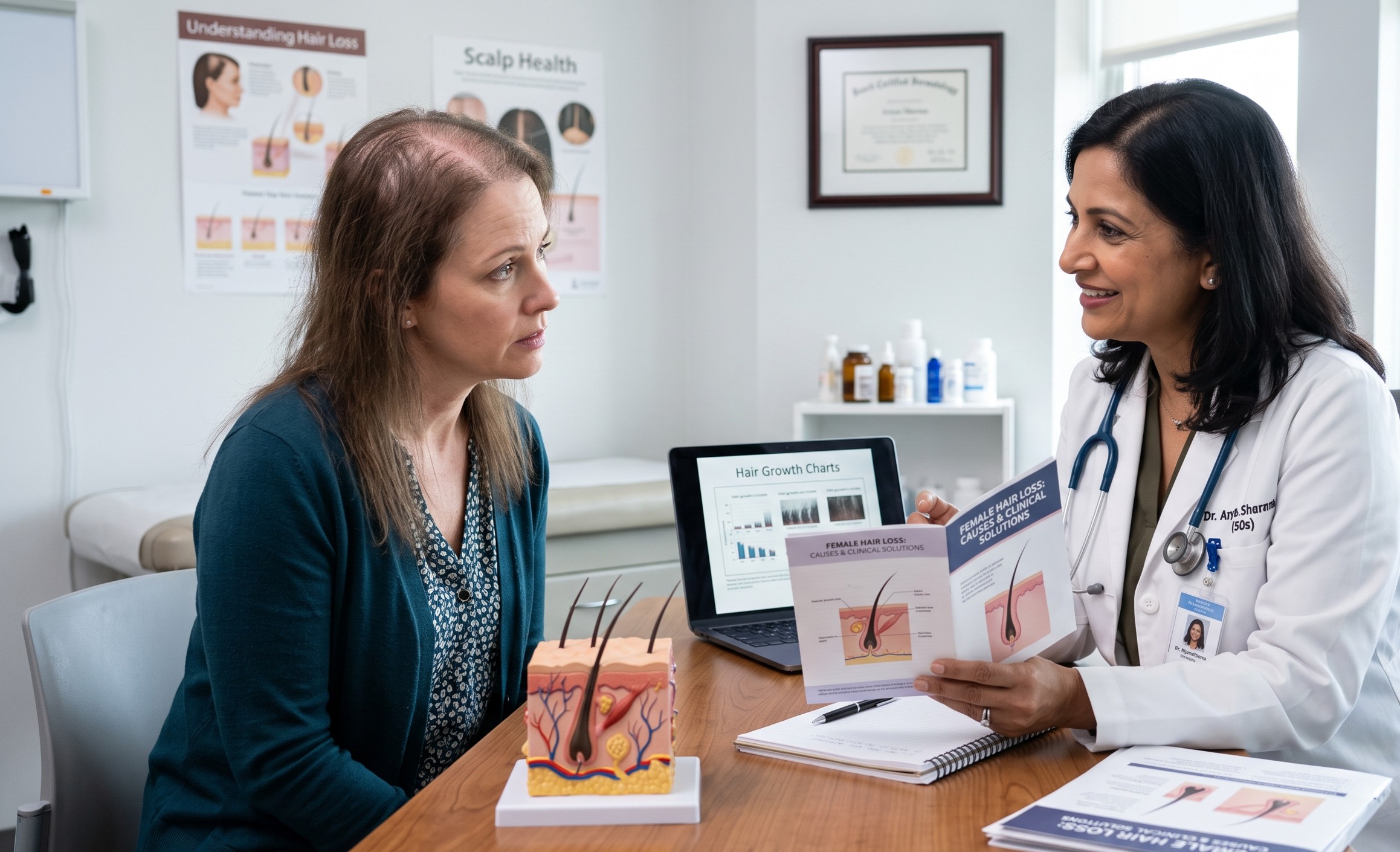
Frequently Asked Questions
Can stress at 40 cause my hair to fall out suddenly
Yes, significant emotional or physical stress can trigger a condition called telogen effluvium.
This is a frequent factor in what causes sudden hair loss in women over 40. When the body experiences a shock, it redirects energy away from non-essential functions like hair growth.
This causes a large number of follicles to enter the resting phase simultaneously, leading to noticeable shedding approximately three months after the stressful event.
Is hair loss in women over 40 always permanent?
No, many forms of hair thinning in your forties are temporary and reversible. If the loss is reactive, such as that caused by nutritional deficiencies or temporary illness, the hair will often regrow once the underlying issue is addressed.
However, genetic thinning is progressive and requires ongoing clinical management to preserve existing density. Acting within the biological window of opportunity is essential for the best long-term results.
How do I know if my hair loss is related to perimenopause?
Perimenopausal hair loss often presents as a general thinning at the crown or a widening of the central parting.
You may also notice other symptoms such as night sweats, mood changes, or irregular periods. Because oestrogen levels are fluctuating, the protective effect on your follicles diminishes.
A clinical assessment can help distinguish these hormonal shifts from other potential causes, like thyroid dysfunction or iron deficiency.
What are the best vitamins for women experiencing hair thinning?
Iron, Vitamin D, and Zinc are the most vital nutrients for supporting follicular health. Nutritional gaps are a significant part of what causes sudden hair loss in women over 40. Low ferritin levels, in particular, can prevent the hair from staying in the growth phase long enough to reach its full length.
We recommend a blood test to identify specific deficiencies before starting a targeted supplement programme to support your clinical treatments.
Is laser hair therapy safe for women with sensitive scalps?
Yes, Low Level Laser Therapy is a safe and non-invasive option for those with sensitive scalps. Unlike some topical chemical treatments that can cause redness or itching, LLLT uses therapeutic light energy that does not produce heat.
It is a gentle way to stimulate cellular activity and increase blood flow to the hair roots without the risk of irritation, making it an ideal choice for women who cannot tolerate aggressive products.
How long does it take to see results from professional hair loss treatments?
Most patients begin to see a visible improvement in hair quality and density within three to six months.
Hair growth is a slow biological process, and it takes time for the follicles to respond to stimulation and produce new, stronger strands. Initial changes often involve a reduction in daily shedding, followed by a gradual increase in hair diameter and volume as the growth cycles stabilise.
Can certain hairstyles make sudden hair loss worse?
Yes, hairstyles that pull tightly on the root can lead to a condition known as traction alopecia. If you are already experiencing thinning due to age or hormones, the mechanical stress of tight braids, buns, or ponytails can accelerate the problem.
This constant tension can cause inflammation and eventually lead to permanent scarring of the follicle. We recommend wearing hair in looser styles to reduce unnecessary pressure during the restoration process.
What should I ask my GP about my thinning hair?
You should ask your GP for a comprehensive blood test to check your ferritin levels, thyroid function, and Vitamin D.
These are the most common medical contributors to thinning in women. It is also helpful to ask if any of your current medications could be influencing your hair growth cycle.
Having these results ready will allow a specialist to create a more precise and effective clinical treatment plan for you.

Disclaimer
Please note that the information provided is for general guidance only and should not be taken as professional advice tailored to your specific circumstances.
Find out if Laser Hair Therapy is right for you
At The Hair Clinic, we make managing thinning hair simple and stress free. No more worrying about which products to trust, as we do all the hard work for you. Our Cork & Waterfood teams are here to help you find the perfect, clinically proven treatment plan to suit your goals.
Want to know how laser therapy can stimulate growth and what kind of results you could expect?
No problem. Get in touch with our friendly team today to book your free consultation, and we’ll be happy to help.
Related Hair Treatment News & Guides
If you liked this guide then you may also like the following:

Laser Hair Therapy Success Rate, What the Clinical Evidence Shows
Did you know that recent clinical data from January 2026 shows a 25% average increase in hair density for those using low-level laser therapy?For many...
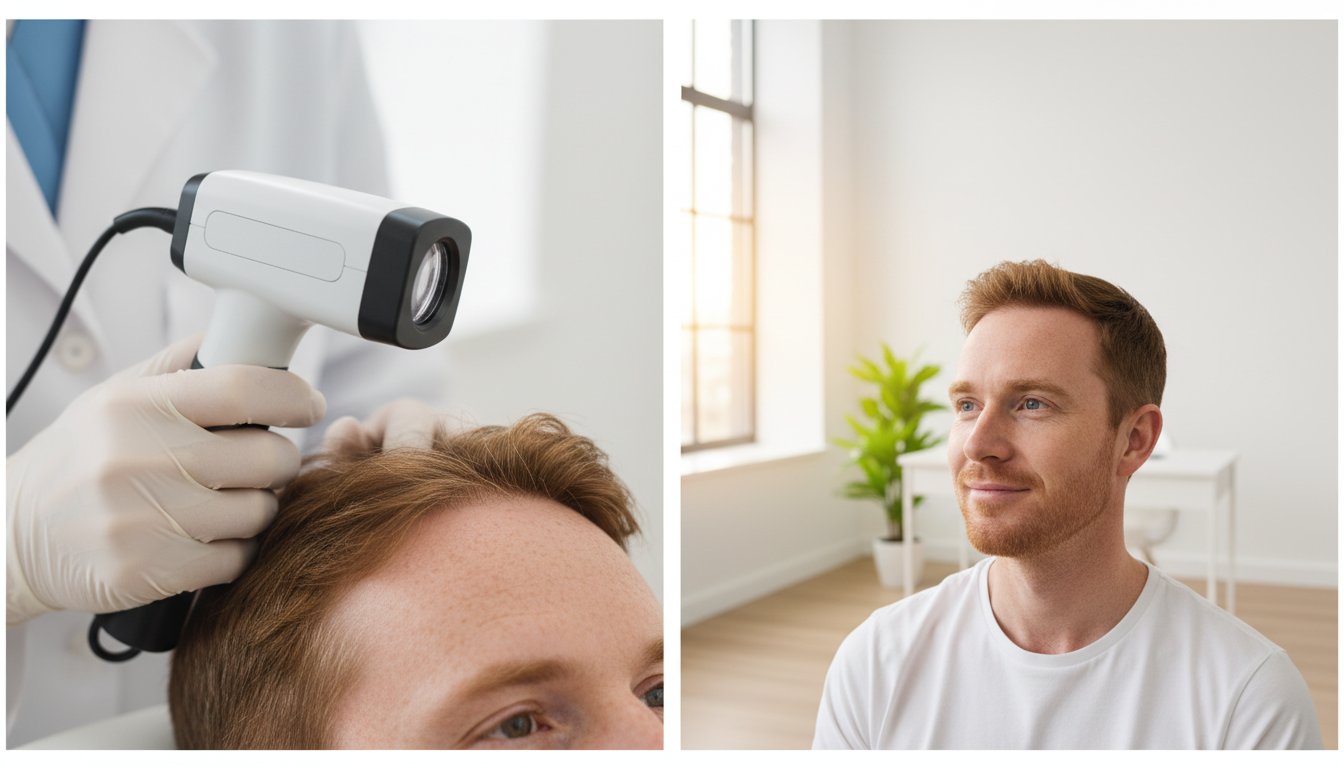
Telogen Effluvium Diagnosis in Cork
You step out of the shower and glance at the drain, only to feel a sharp knot of dread as you see more hair than usual gathered there.It's a deeply unsettling...

FUE Surgery Financing in Ireland, A Cork Cost Comparison
What if the primary barrier to restoring your confidence wasn't the medical procedure itself, but simply the way you chose to pay for it?Many people...
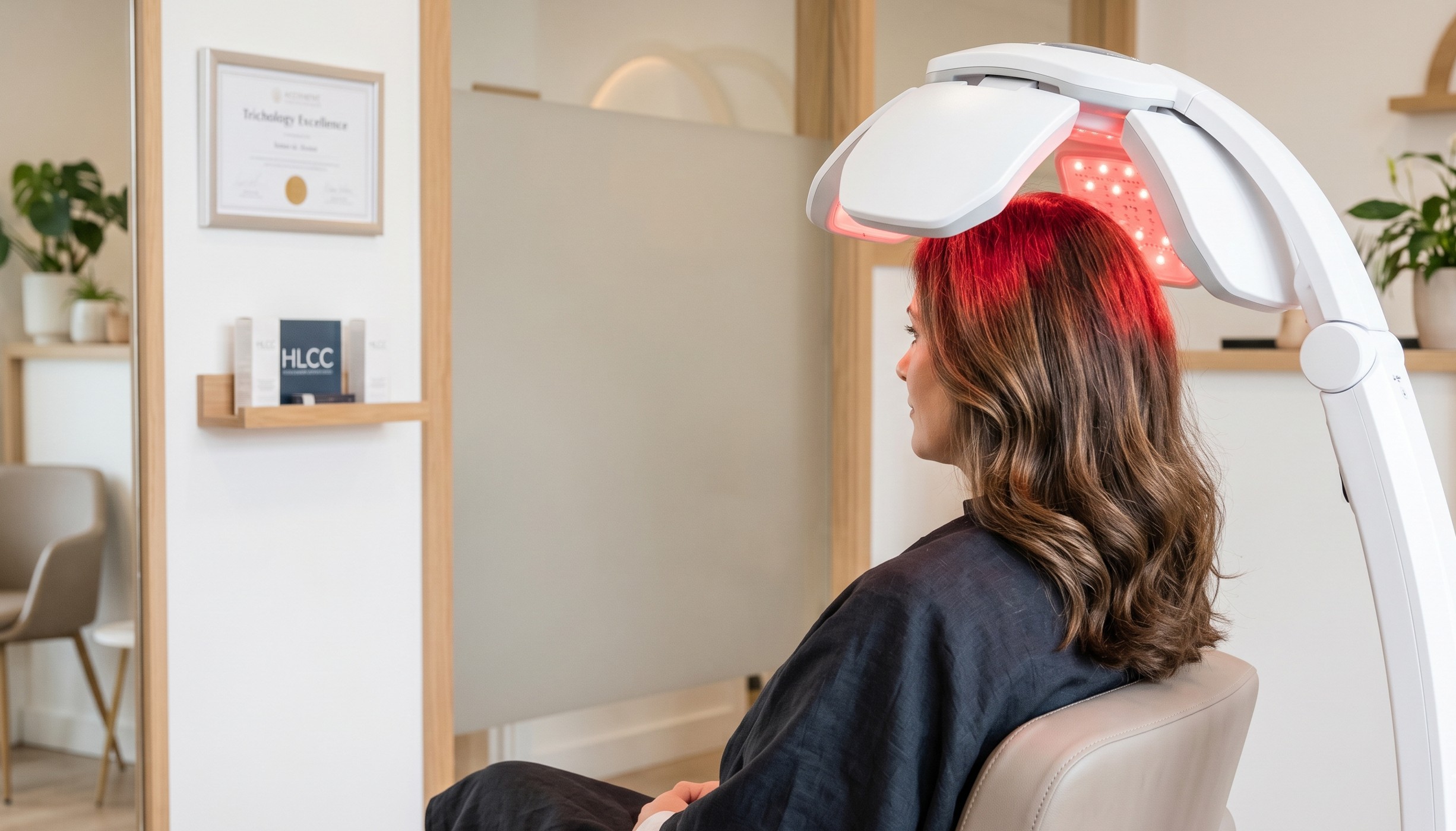
Laser Hair Therapy in Ireland for Natural Hair Regrowth
Did you know that 49% of Irish men under 30 believe they are already experiencing hair loss? For many, the sight of a visible scalp in the mirror is...
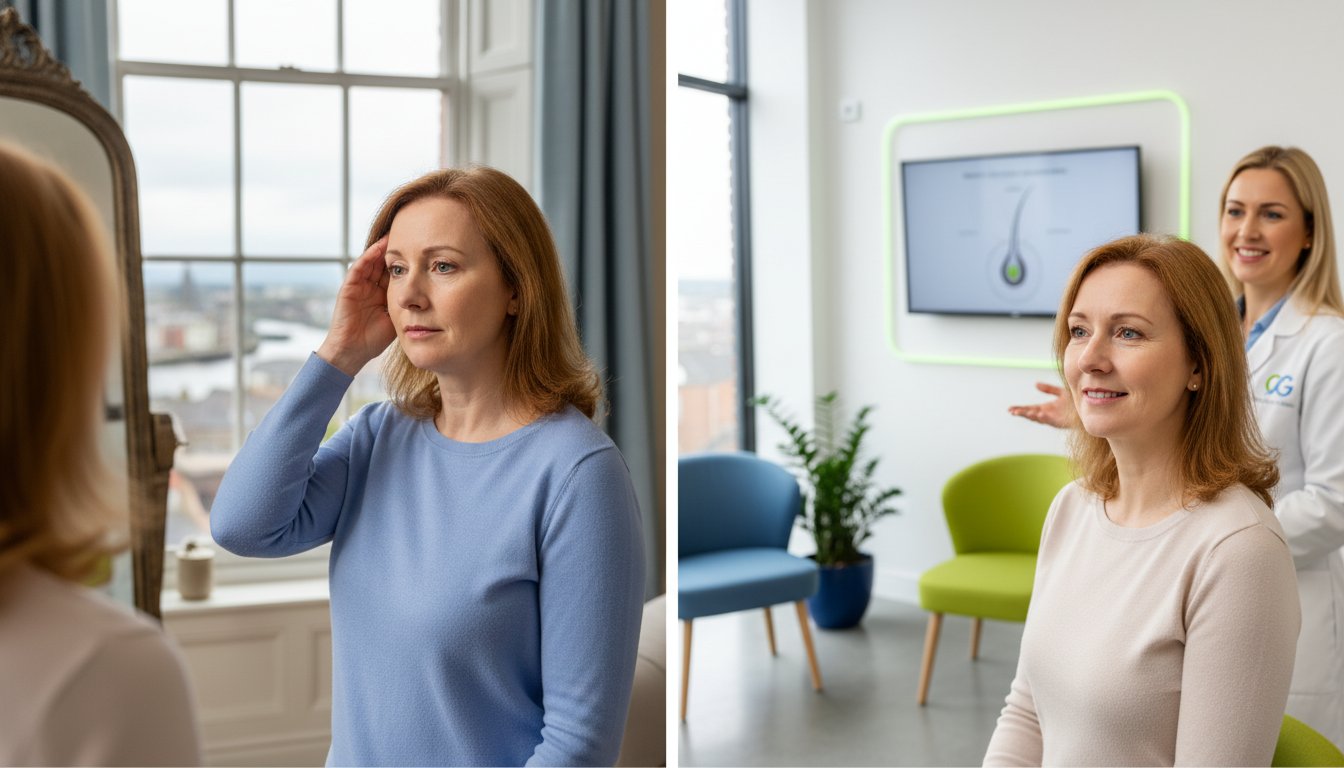
Expert Hair Loss Services in Cork for Men and Women
Did you know that over 80% of Irish men surveyed by DHI reported that hair loss has negatively impacted their self-confidence?It's a heavy burden to carry...
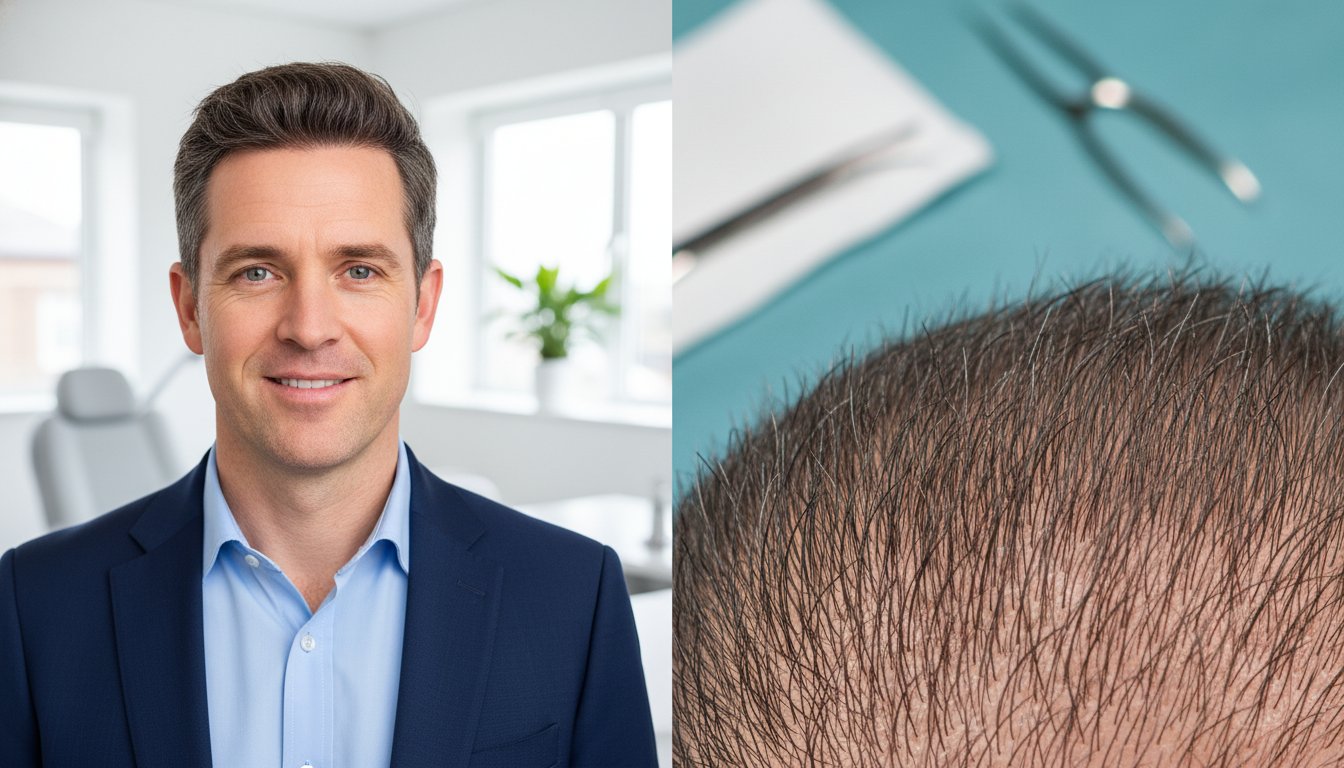
FUE Transplant Density Explained for Natural Looking Results
The highest graft count in the world cannot guarantee a successful restoration if the placement lacks clinical precision.It is common to feel a sense...