
 2 Camden Pl, Patrick’s Bridge,
Home > Latest News & Guides > FUE Transplant Density Explained for Natural Looking Results
FUE Transplant Density Explained for Natural Looking Results
Contact us today
Date added: 07/06/26
The highest graft count in the world cannot guarantee a successful restoration if the placement lacks clinical precision.
It is common to feel a sense of worry that your investment might lead to a thin result or leave your donor area permanently depleted; these are valid concerns for anyone seeking an FUE transplant density explained with honesty.
You deserve a solution that prioritises both your immediate confidence and your long-term scalp health.
In this guide, we break down the science of graft placement to ensure you understand how to achieve the thickest possible results safely.
We will explore the balance between graft survival and the scalp's biological limits to help you set realistic goals for your transformation.
By the end of this article, you will have the knowledge needed to protect your donor hair and find a specialist in Ireland who values precision over empty promises.
Key Takeaways
- Learn how hair density, measured in follicular units per square centimetre, serves as the foundation for a natural-looking hairline.
- Understand the critical role of vascularity and blood supply in ensuring graft survival when seeking an FUE transplant density explained by clinical experts.
- Discover the 50% rule, which explains why the human eye perceives full coverage even at half of your original natural density.
- Identify how maintaining rigorous scalp hygiene can significantly improve the environment for follicular health and growth.
- Explore the benefits of choosing local care in Cork or Waterford to monitor your progress and protect your investment.
Table of Contents
To discuss your hair restoration goals or to learn more about maintaining a healthy scalp environment, you can book a consultation with our specialists at our clinic.
Understanding Hair Density and FUE Success
Hair density is the foundation of any successful restoration. Clinically, we define density as the number of follicular units per square centimetre of the scalp. While a person with a full head of hair typically possesses between 60 and 100 units per square centimetre, achieving a natural look through surgery often requires a different approach. Having the FUE transplant density explained clearly helps manage expectations, especially since your donor area is a finite resource. You only have a limited amount of healthy hair available for relocation; therefore, precision is vital to avoid over-harvesting and ensure the longevity of your results.
A natural result relies on the surgeon's ability to mimic the way your hair grows natively. To get a foundational overview of the surgical process, Understanding Follicular Unit Extraction is helpful for seeing how these units are handled. Transplanted density often aims for 35 to 50 units per square centimetre. This is frequently enough to create the illusion of fullness without compromising the blood supply to the scalp or depleting the donor site for future needs.
The Difference Between Hairs and Follicular Units
Many people mistakenly believe that one graft equals one hair. In reality, hair grows in naturally occurring clusters called follicular units. One unit usually contains between one and four individual hairs. Surgeons count these grafts rather than single strands because the entire unit must be moved together to ensure survival. The distribution of these multi-hair units significantly impacts visual thickness. Placing units with three or four hairs in the mid-scalp creates bulk, whilst single-hair units are reserved for the delicate, soft edge of the hairline to ensure it doesn't look harsh or artificial.
Measuring Your Current Scalp Density
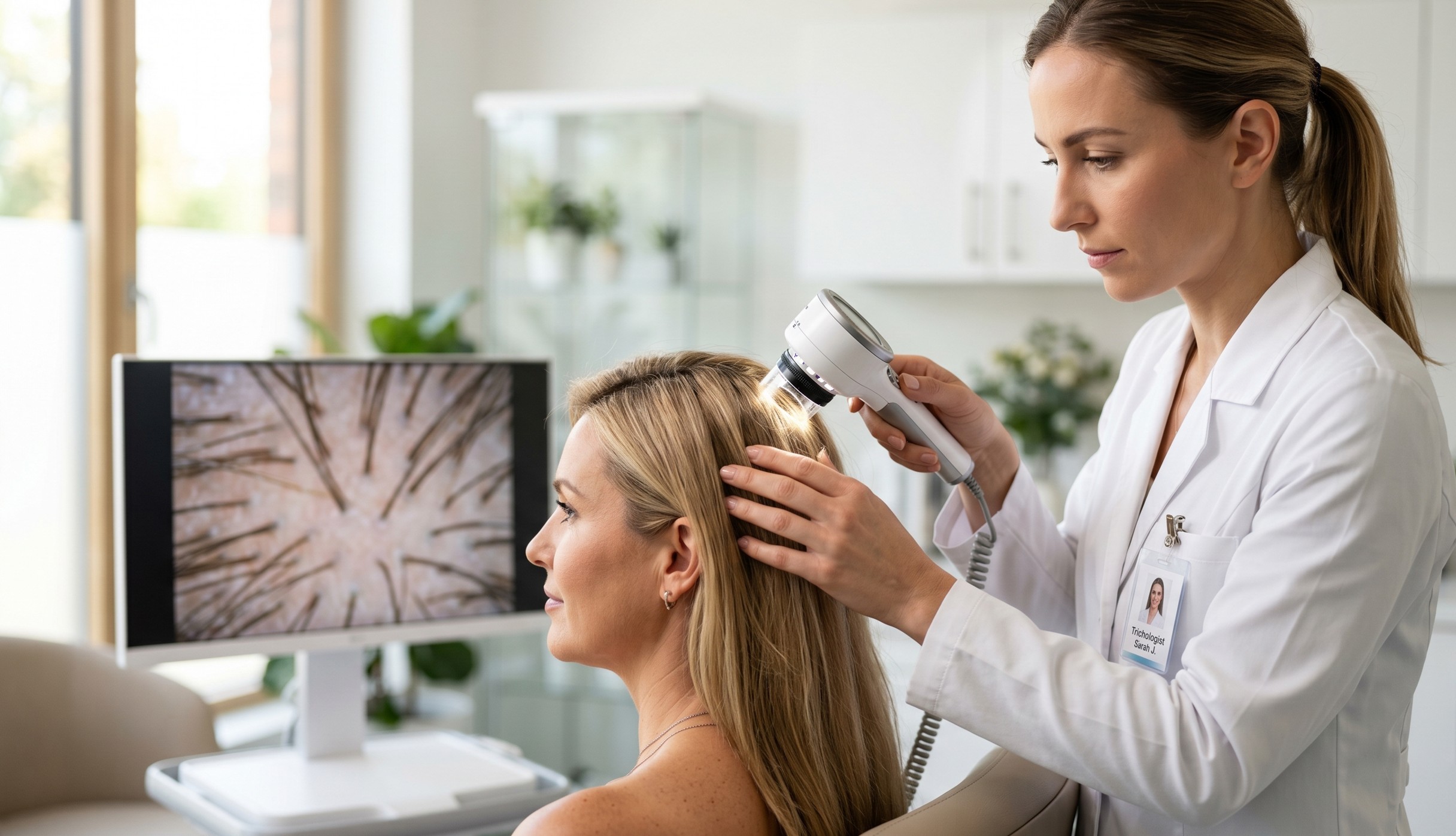
Specialists use microscopic analysis to determine your baseline density before any treatment begins. This assessment looks at more than just numbers; it evaluates the diameter of each hair follicle. Thicker hair shafts provide better coverage even at lower densities. Additionally, the contrast between your hair colour and skin tone plays a role. Those with low contrast, such as blonde hair on fair skin, often require fewer grafts to achieve a look of fullness compared to those with high contrast. Understanding these variables allows for a bespoke plan that respects your unique biological limits.
To discuss your specific hair restoration needs, you can book a consultation with our specialists at our clinic.
The Biological Limits of High Density Packing
Many patients believe that the highest possible graft count is the only path to a thick, natural look. This is a common misconception. In reality, the scalp has a finite capacity to support new growth. If follicles are packed too tightly, they begin to compete for the same limited resources. Having the FUE transplant density explained through a biological lens reveals that success is not about the number of grafts moved, but how many actually survive and thrive in their new location. A cautious, medical approach ensures that your scalp remains healthy enough to sustain every new hair.
The primary limiting factor is vascularity. Every newly implanted follicle relies on the surrounding blood vessels to provide oxygen and nutrients. When grafts are placed in too high a concentration, the blood supply can become overwhelmed. This clinical reality is explored in depth in The Logic of Hair Transplantation, which details how cosmetic density is achieved by working with the body's natural limits. Pushing beyond these limits can lead to poor survival rates or, in extreme cases, skin necrosis. This occurs when the tissue itself begins to fail due to a lack of circulation, often resulting in permanent scarring.
Experienced specialists typically identify a sweet spot for survival between 40 and 50 grafts per square centimetre. This range provides enough coverage to satisfy the eye whilst ensuring each follicle has a dedicated life support system from the scalp. It is a balance of art and science that prevents the "wasted" grafts that occur when survival rates drop due to over-packing.
Vascular Limits and Graft Survival
The scalp must provide immediate nourishment to follicles through a process called plasma imbibition. The first 72 hours after your procedure are the most critical for establishing this blood flow. Factors that constrict blood vessels, such as smoking or certain circulatory conditions, can significantly lower your safe density limit. We always advise patients to prioritise their systemic health to give their new grafts the best possible chance of taking root and growing into strong, healthy hair.
The Risk of Over Harvesting the Donor Area
Your donor area is not an infinite well. Taking too many grafts in a single session can leave the back and sides of your head looking patchy or thin, a condition known as over-harvesting. A wise specialist will always prioritise the longevity of your donor area, especially if you may face further hair loss in the future. It is better to have a balanced, natural look today that leaves options open for tomorrow. To discuss your specific hair restoration needs, you can book a consultation with our specialists at our clinic.
To discuss your specific hair restoration needs, you can book a consultation with our specialists at our clinic.
Natural Density versus Cosmetic Coverage
Achieving a natural appearance does not require a one-to-one replacement of every lost hair. This is perhaps the most liberating aspect of the FUE transplant density explained to new patients. We rely on the 50 percent rule, a clinical observation that the human eye generally cannot distinguish between 50% density and 100% density in most lighting conditions. By targeting this threshold, we create a look of complete fullness whilst preserving the health of your scalp and your donor hair reserves. This approach ensures a sustainable result that looks authentic from every angle.
Strategic placement is the art of using fewer grafts to produce a greater visual impact. For example, a receding hairline requires a high concentration of single-hair follicles at the very front to ensure a soft, undetectable transition. Conversely, a thinning crown presents a different challenge because the hair naturally grows in a circular swirl pattern. This exposes more of the scalp from multiple angles. Surgeons must adjust the angulation of each graft to ensure the hair shafts overlap like shingles on a roof, providing maximum coverage with the available units.
It is also vital to consider the long-term survival of transplanted hairs when planning your density. Research indicates that density can shift over several years, making a sustainable, medically sound placement strategy even more important. We don't just design for your first year of growth; we design for your future self. By managing your donor area wisely now, we protect your ability to address any potential hair loss in other areas later in life.
Strategic Placement and Angulation
Surgeons mimic your native growth patterns by carefully selecting the exit angle of each follicle. If a hair is planted too vertically, it looks pluggy and fails to cover the scalp. By planting at a shallower, more natural angle, the hair lies flatter and hides more of the skin beneath it. This technique is especially effective for those with limited donor hair who need to maximise every single graft. The goal is to create a seamless flow between your existing hair and the new transplants.
Managing Expectations for Different Hair Types
Your hair's physical characteristics dictate how much density you truly need. Coarse or curly hair types naturally occupy more volume and provide better cosmetic coverage than fine, straight hair. Contrast also plays a significant role. Patients with light hair and light skin often require less density for a natural look because there is less visual contrast between the hair and the scalp. We take these factors into account during your assessment to build a plan that works with your biology rather than against it.
To discuss your specific hair restoration needs, you can book a consultation with our specialists at our clinic.
Maximising Transplant Density with Scalp Hygiene
The success of your procedure does not end the moment you leave the clinic. Whilst the surgical placement of grafts is critical, the environment in which those follicles must grow is equally important. A clean, healthy scalp is the foundation for graft survival and long-term thickness. When you have the FUE transplant density explained by a clinical professional, you quickly realise that high-density packing is useless if the scalp is too congested to support new life. Proper hygiene ensures that the delicate new follicles are not hampered by inflammation or infection.
A comprehensive hair loss treatment plan often includes more than just the surgical event itself. Protecting your investment means addressing the health of the non-transplanted hair as well. This often involves the use of DHT blockers to prevent further thinning of your native hair, which provides the necessary background density for your results. By maintaining a holistic approach, you ensure that the transplanted units work in harmony with your existing hair to create a seamless, full appearance.
The Role of Laser Hair Therapy
Laser Hair Therapy, or LLLT, serves as a powerful tool for those looking to maximise their results. This non-invasive treatment works by delivering therapeutic light to the scalp, which increases ATP production within the hair cells. This boost in cellular energy encourages follicles to enter the growth phase more quickly and stay there longer. We often recommend LLLT as a post-operative support tool because it helps to reduce inflammation and stimulate blood flow to the newly implanted grafts. This synergy between surgical precision and light-based stimulation is a vital component of the FUE transplant density explained in modern clinical protocols.
Professional Scalp Hygiene Treatments
Removing excess sebum, debris, and environmental pollutants is vital for the survival of new grafts. If the scalp becomes too oily or suffers from a build-up of dead skin, you risk developing folliculitis. This is an inflammatory condition that can damage or even kill the newly transplanted follicles. Professional cleaning treatments go beyond standard washing to ensure the pores remain open and the skin remains supple. Maintaining this level of scalp hygiene for women and men is essential for protecting the delicate vascular connections established in the first few weeks after surgery. If you want to ensure your scalp is in peak condition for your procedure, reach out to our team today to discuss your options.
To discuss your specific hair restoration needs, you can book a consultation with our specialists at our clinic.
Professional Hair Restoration in Cork and Waterford
Choosing a hair restoration path is a significant emotional and financial commitment. Whilst many patients initially look abroad for solutions, the clinical benefits of local follow-up care in Cork and Waterford are substantial. Having the FUE transplant density explained by a specialist you can visit in person ensures that your recovery is monitored with precision. At The Hair Clinic, we utilise global HLCC protocols, bringing world-class standards to our local patients. This local presence grounded in international expertise provides a sense of security that is often lost when travelling for surgery.
We believe in transparency and removing barriers to professional advice. This is why we offer an initial complimentary scalp analysis at our Irish centres. This assessment allows us to look beyond the surface and understand the unique biological factors affecting your hair loss. To see the tangible impact of our approach, we encourage you to view our local patient testimonials. These first-person accounts provide a realistic preview of the results possible when surgical skill meets a dedicated preservation strategy.
Your Consultation at The Hair Clinic
During your first visit to our Cork or Waterford centres, our focus is on education and clinical accuracy. We don't just count hairs; we evaluate the entire health of your scalp environment. We calculate your specific graft requirements based on your current native density and the long-term viability of your donor area. This personalised approach ensures that the FUE transplant density explained during your assessment is both achievable and sustainable. We aim for the thickest possible results safely, without the risk of over-harvesting that often accompanies high-volume promises. Every plan is bespoke, designed to mirror your natural growth patterns and restore your confidence.
Long Term Support and Maintenance
We view hair restoration as a lifelong journey rather than a single surgical event. Protecting your investment requires a proactive philosophy toward preservation. This is why we provide ongoing access to medicated solutions and DHT blockers locally. These treatments are essential for maintaining the health of your native hair, which provides the necessary background for your transplanted follicles. By starting your journey with a professional assessment, you move from a state of worry toward a proactive, science-led solution. Our team remains a dedicated partner in your journey, providing the steady guidance needed for lasting success.
To discuss your specific hair restoration needs, you can book a consultation with our specialists at our clinic.
Start Your Journey Toward Lasting Hair Confidence
Achieving a natural look is a delicate balance of surgical precision and biological respect. You now understand that success is not defined by the sheer number of grafts, but by the strategic use of the 50 percent rule and the meticulous care of your donor area. By prioritising scalp hygiene and considering supportive treatments like Laser Hair Therapy, you provide your new follicles with the best possible environment to flourish. This holistic approach ensures that your results remain sustainable and undetectable for years to come.
We are here to ensure you have the FUE transplant density explained in the context of your unique biology. Our teams in Cork and Waterford are dedicated to providing the local expertise and long-term follow-up care required for a successful restoration. You don't have to navigate these decisions alone; expert guidance is available to help you protect your self-image and your hair's future health.
Take the first step toward a fuller, more confident version of yourself. We invite you to book your complimentary hair and scalp analysis in Cork or Waterford today. There is a path forward, and we look forward to supporting you at every stage of your transformation.
Frequently Asked Questions
How many grafts per square centimetre is considered high density
High density in a surgical context is typically defined as 40 to 50 grafts per square centimetre. Whilst natural hair density can reach up to 100 units per square centimetre, surgical packing is strictly limited by the scalp's ability to provide an immediate blood supply to every new follicle. Pushing beyond this range often leads to diminishing returns in graft survival.
Can I have a second FUE transplant to increase density later
You can certainly undergo a second procedure provided your donor area remains healthy and has sufficient hair reserves. Most specialists advise waiting at least 12 to 18 months after your first session. This allows the scalp to heal completely and ensures the final results of the initial transplant are fully visible before adding more volume.
What happens if the graft density is too high
If grafts are packed too tightly, they begin to compete for a limited supply of oxygen and nutrients from the blood vessels. This competition can cause a significant drop in survival rates or lead to skin necrosis. This is a serious complication where the tissue fails to heal, potentially resulting in permanent scarring and total loss of the transplanted hair.
How long does it take for the full density to appear after FUE
It generally takes between 12 and 18 months to see the final, mature density of your transplant. Whilst you will notice new growth starting around the three or four month mark, the hair shafts continue to thicken and the texture improves significantly well into the second year after your procedure.
Will my donor area look thinner after the grafts are removed
A professional extraction strategy ensures that your donor area maintains a full and natural appearance. Surgeons typically harvest only one in every four or five follicular units; this prevents the back and sides of the head from looking patchy. This careful distribution allows the remaining hair to cover the extraction sites effectively.
Is it possible to achieve 100% natural density with a transplant
Achieving 100% of your original natural density is rarely possible or medically recommended. We focus on cosmetic density, which relies on the clinical fact that the human eye perceives a full head of hair at approximately 50% of its original count. This approach ensures a natural look whilst protecting your scalp health.
Does laser hair therapy help with transplant density
Laser hair therapy is a highly effective tool for those seeking an FUE transplant density explained through the lens of clinical support. By using LLLT to stimulate blood flow and increase cellular energy, you can encourage the newly transplanted follicles to grow thicker hair shafts and recover more quickly from the surgical process.
Can women achieve the same density results as men with FUE
Women can achieve excellent results, though the approach often differs because female hair loss tends to be more diffuse. The final density depends heavily on the stability of the donor hair at the back of the scalp. If the donor area is dense and healthy, women can enjoy the same transformative outcomes as male patients.
Disclaimer
Please note that the information provided is for general guidance only and should not be taken as professional advice tailored to your specific circumstances.
Find out if Laser Hair Therapy is right for you
At The Hair Clinic, we make managing thinning hair simple and stress free. No more worrying about which products to trust, as we do all the hard work for you. Our Cork & Waterfood teams are here to help you find the perfect, clinically proven treatment plan to suit your goals.
Want to know how laser therapy can stimulate growth and what kind of results you could expect?
No problem. Get in touch with our friendly team today to book your free consultation, and we’ll be happy to help.
Related Hair Treatment News & Guides
If you liked this guide then you may also like the following:
Signs of New Hair Growth After LLLT and What to Expect
Seeing more hair in your brush after starting laser therapy is actually one of the most encouraging signs of success.Whilst it feels counterintuitive,...
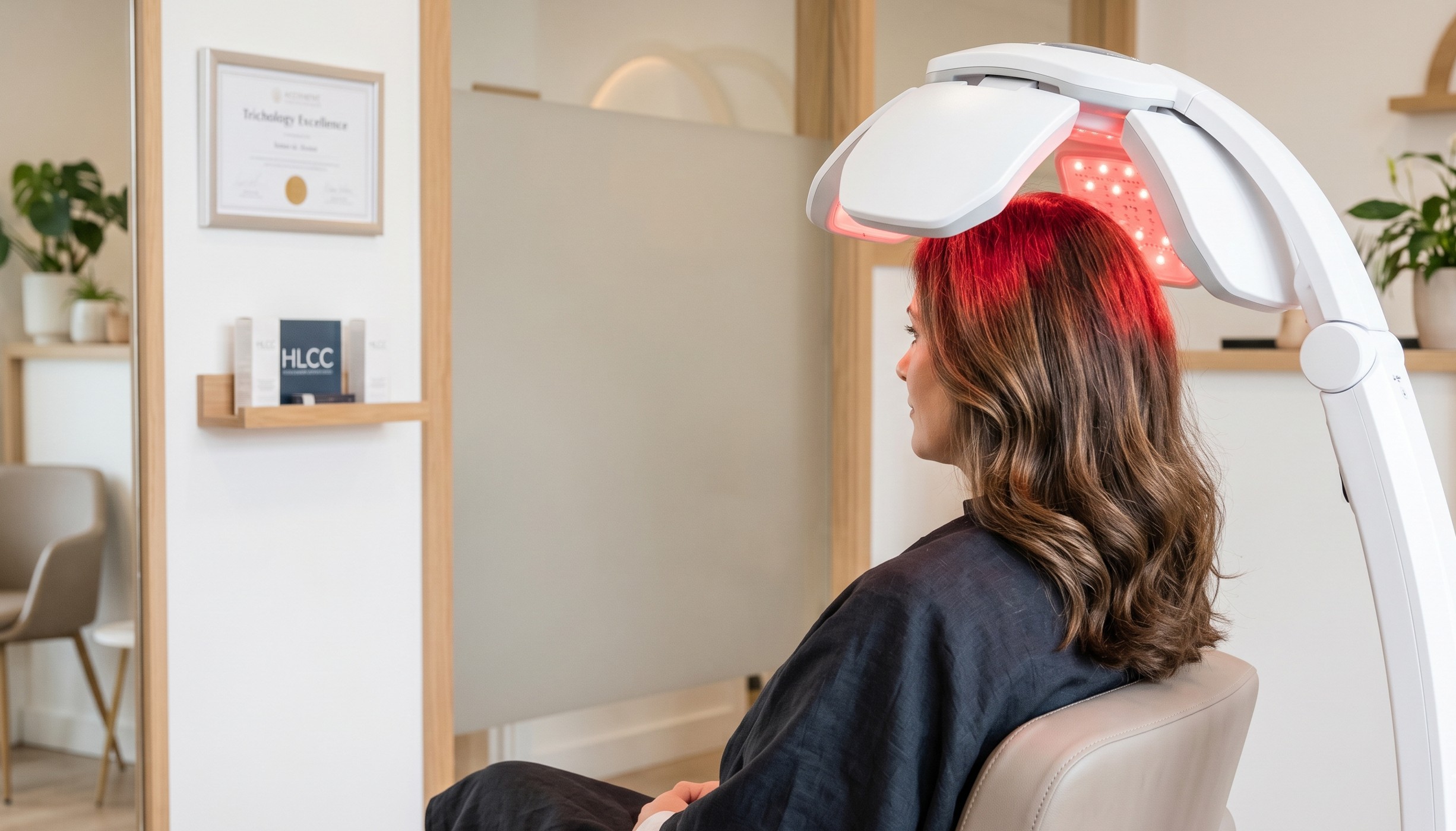
Laser Hair Therapy in Ireland for Natural Hair Regrowth
Did you know that 49% of Irish men under 30 believe they are already experiencing hair loss? For many, the sight of a visible scalp in the mirror is...
Itchy Scalp and Hair Loss Solution, Expert Advice
What if that persistent, nagging itch is more than just a minor irritation? For many people across Ireland, the urge to scratch in public is a source...
Laser Hair Therapy Side Effects for Women and Clinical Safety Facts
What if the most effective way to restore your thinning hair didn't involve painful surgery, harsh chemicals, or the risk of thermal burns?It's completely...
Hair loss due to medication what to do and how to recover
What if the very prescription helping your body recover is the reason you are noticing more hair in the shower drain each morning?It is a distressing...

Cost of Laser Hair Growth Therapy in Waterford for 2026
What if the most expensive part of your hair restoration journey isn't the treatment itself, but the time lost waiting to begin?If you've been researching...