
 2 Camden Pl, Patrick’s Bridge,
Home > Latest News & Guides > Preventing hair loss in your 30s men and clinical strategies for success
Preventing hair loss in your 30s men and clinical strategies for success
Contact us today
Date added: 13/08/26
Did you know that by the age of 35, approximately two-thirds of men will experience some degree of noticeable hair loss?
It is a startling statistic that often brings a sense of quiet anxiety as you notice your hairline beginning to shift. If you feel a sense of worry when looking in the mirror, you aren't alone.
Many men find the transition into their third decade brings a confusing mix of products and conflicting advice, leaving them fearful that surgery is the only answer left.
However, preventing hair loss in your 30s men is entirely achievable through a grounded, medical approach.
Discover how to identify early thinning and implement professional prevention strategies to maintain your hair density throughout your 30s.
Whilst the market is flooded with miracle cures, we focus on clinical necessity and proven results.
We will look at the science behind hair preservation, explore effective non-surgical options like laser hair therapy, and help you organise a clear routine that moves you from a state of worry toward a proactive solution.
By understanding the biological window of opportunity available to you now, you can protect your self-image without invasive procedures.
Key Takeaways
- Understand why your early 30s represent a vital biological window for intervention before hair follicles reach a stage of permanent dormancy.
- Learn how to distinguish between a natural maturing hairline and the clinical onset of male pattern baldness using a simple monitoring checklist.
- Discover how non-invasive Laser Hair Therapy works to protect your scalp health whilst preventing hair loss in your 30s men through advanced cellular stimulation.
- Explore how lifestyle factors, such as chronic stress and nutrition, affect your hair growth cycle to support your clinical prevention routine.
- Find out what to expect during a professional assessment at a specialist clinic in Cork or Waterford to secure your long-term hair density.
To speak with a specialist about your hair preservation options, please visit our booking page.
Why the 30s are a critical decade for male hair preservation
Your 30s represent a pivotal moment in your biological timeline. Research indicates that whilst 16 per cent of men under 30 experience moderate loss, this figure climbs significantly as you approach your 40s.
This suggests the 30s are the primary decade for acceleration. If you are focused on preventing hair loss in men in your 30s, you must recognise this period as a vital window of opportunity.
During these years, follicles are often still active but are under attack from hormonal changes. We understand that seeing more hair in the shower or a widening part can cause deep anxiety.
However, noticing these shifts now is actually a positive step. It allows for the most effective non-surgical interventions before permanent dormancy sets in. Taking action during this decade can often mean the difference between maintaining a full head of hair and needing more invasive options later in life.
You can learn more about specific patterns of men's hair loss to see where you might currently sit on the scale.
The science of follicle miniaturisation
The primary driver behind this change is Dihydrotestosterone, commonly known as DHT. This hormone interacts with genetically sensitive follicles, causing them to shrink in a process called miniaturisation.
Over time, your scalp stops producing thick terminal hairs and begins producing vellus hairs, which are thin, short, and lack pigment.
You can read more about the clinical progression of Pattern hair loss to understand how these stages develop.
Once a follicle becomes completely dormant, it can no longer be revived through topical or light-based treatments.
This is why acting whilst hair is still present, even if it is thinning, is the cornerstone of clinical success. You are essentially racing against a clock that determines how long a follicle can remain viable under DHT pressure.
Genetics and the myth of the maternal grandfather
There is a common misconception that you should only look at your mother's father to predict your future hair density. In reality, the genetic blueprint for your hair is far more complex.
You can inherit the sensitivity to DHT from either your maternal or paternal lineage.
When assessing your risk, considering your siblings or cousins often yields a more accurate predictive model than considering a single grandparent. Scientific research confirms that androgenetic alopecia is a polygenic condition influenced by multiple genes rather than a single inherited trait.
Understanding your family history helps us organise a more personalised prevention strategy that respects your unique genetic profile. By identifying these patterns early, you can move away from worry and toward a structured, clinical plan.
To speak with a specialist about your hair preservation options, please visit our booking page.

Identifying the early signs of thinning and recession
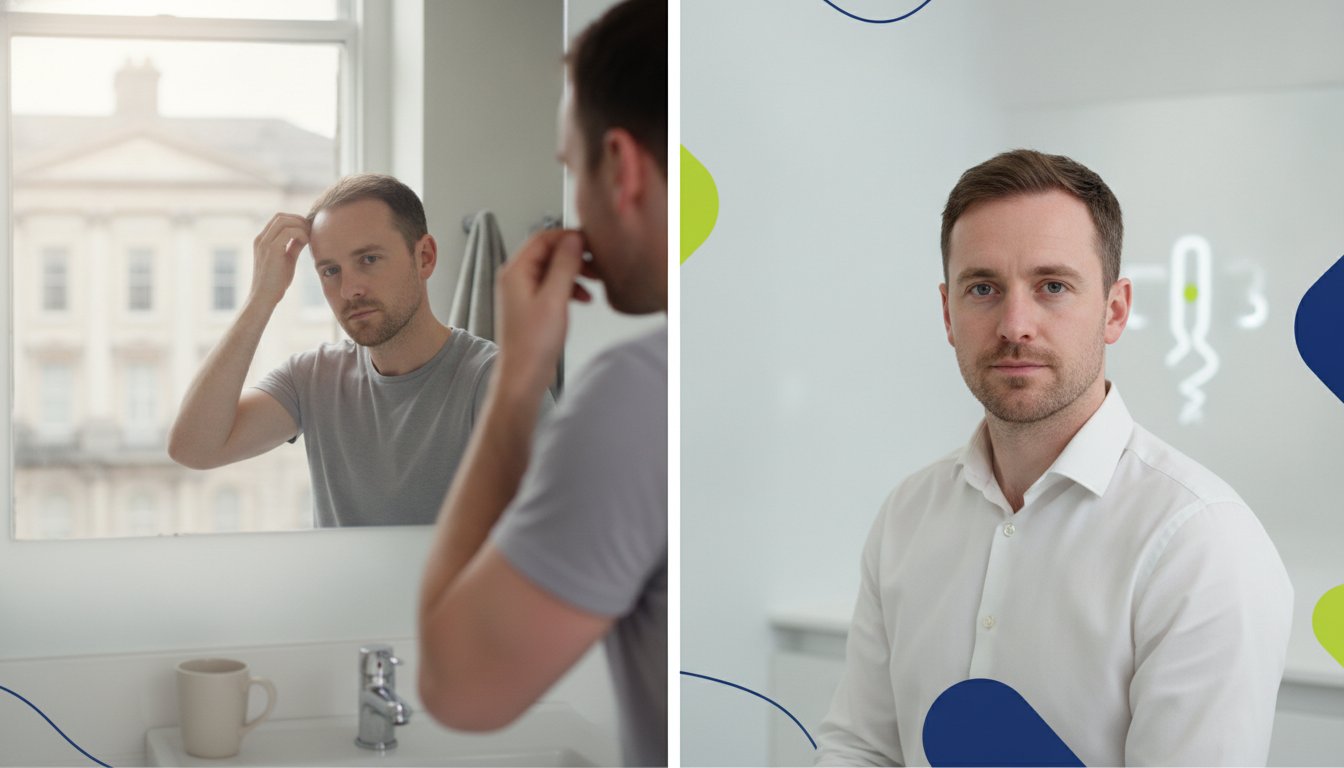
Monitoring your reflection becomes a daily ritual when you suspect your hair is changing. For many, the first sign isn't a handful of hair in the drain, but a subtle shift in how the hair sits or styles.
It is vital to distinguish between a maturing hairline and the clinical onset of male pattern baldness. A maturing hairline is a natural developmental shift in which the hairline moves back by roughly one centimetre; it generally stops there.
In contrast, pattern baldness is progressive. If you notice the hair at your temples feels finer or shorter than the hair at the back of your head, you are likely seeing the early stages of miniaturisation. This is the ideal time to begin preventing hair loss in your 30s, as you still have a significant amount of viable hair to protect.
Thinning at the crown often goes unnoticed for longer because it is harder to see. You might first notice it when your scalp becomes visible under bright bathroom lights or in photographs taken from behind.
Whilst increased shedding in the shower can be alarming, it is often a temporary response to stress or diet. Permanent loss is defined by the quality of the hair that grows back.
When follicles are under pressure, the new hairs are thinner, lighter, and more fragile.
Understanding the range of Clinical treatments for hair loss can clarify why early identification is so vital for long-term success.
- Check for a widening part line when your hair is wet.
- Look for "miniaturised" hairs that are significantly thinner than surrounding strands.
- Assess whether your forehead appears larger compared to photos from three years ago.
- Notice if your hair has lost its "body" or feels limp despite using familiar products.
Using the Norwood Scale to track progress
The Norwood Scale is the clinical standard we use to categorise the stages of male hair loss. Stage 2 involves minor recession at the temples, whilst Stage 3 marks the point where the recession forms a distinct "M" or "V" shape.
These early stages are the primary targets for preventative therapy. We advise taking consistent photos every 6 months from the front, top, and back. Use the same lighting and angles to ensure your records are accurate.
This habit removes the emotional guesswork and provides a factual basis for your preservation routine.
When to seek a professional scalp analysis
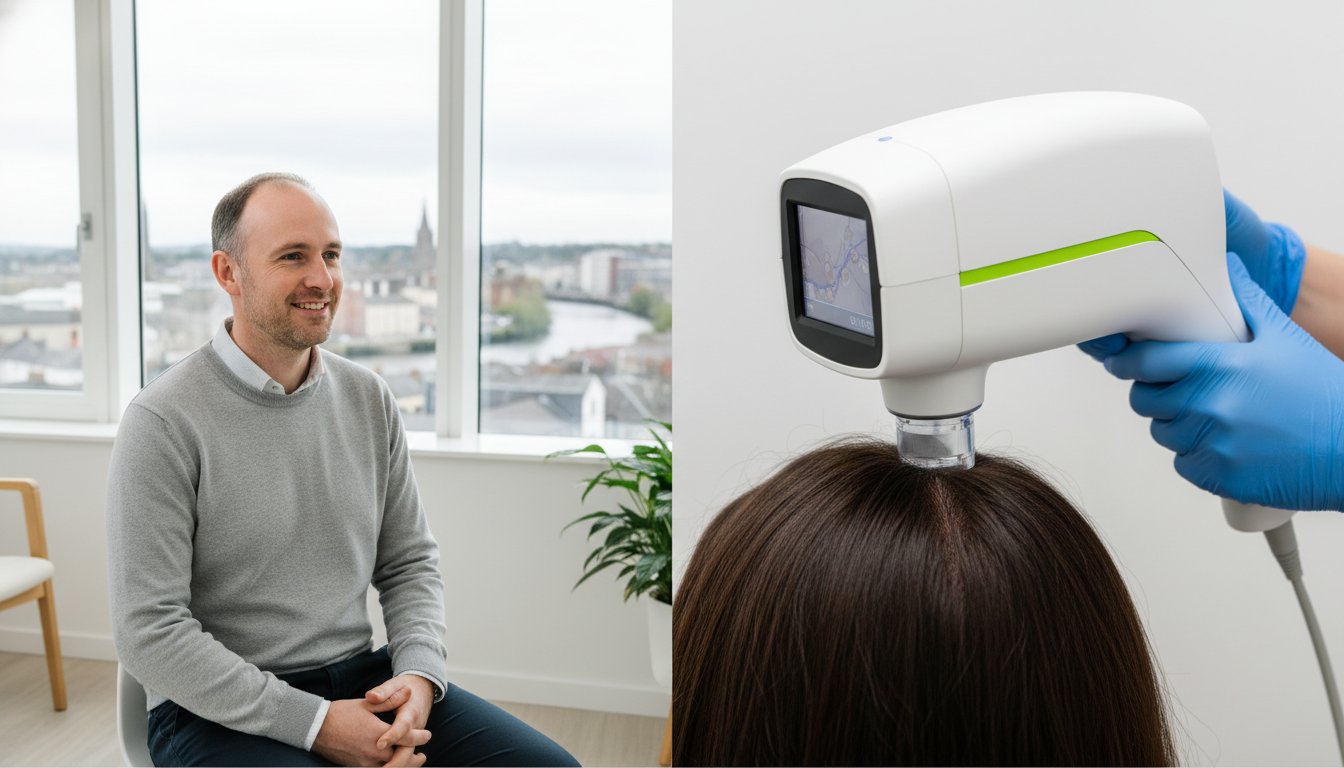
Self-assessment has its limits. A clinical specialist uses microscopic cameras to perform a detailed scalp analysis, allowing us to see miniaturisation before it is visible to the naked eye.
We can identify exactly what percentage of your follicles are currently in the resting phase.
By catching these changes early, we can implement non-invasive strategies to revitalise the follicle.
If you feel uncertain about the changes you see, The Hair Clinic offers professional assessments to help you establish a clear path forward. Finding a partner in this journey can replace your anxiety with a sense of control.
To speak with a specialist about your hair preservation options, please visit our booking page.
Clinical treatments for preventing further loss
Moving from identifying early thinning to active treatment is a significant psychological step. It represents a shift from passive observation to proactive preservation.
When it comes to preventing hair loss in your 30s men, clinical success relies on a combination of technologies that address both the symptoms and the underlying biological causes.
Whilst many men look for a single miracle cure, the most effective results come from a personalised treatment plan that respects your scalp's unique physiology.
According to the American Academy of Dermatology, early intervention for hair loss is the most reliable way to maintain density and avoid surgical routes later in life.
The benefits of Low Level Laser Therapy
Low Level Laser Therapy, or LLLT, has emerged as a cornerstone of modern non-surgical hair restoration.
This technology uses specific wavelengths of light to penetrate the scalp and stimulate cellular activity within the hair bulb. By increasing the production of adenosine triphosphate (ATP), the laser provides the energy needed for follicles to remain in the growth phase for longer.
Laser Hair Therapy is entirely painless and carries no known clinical side effects, making it an ideal long-term solution for men who wish to avoid the risks associated with more invasive procedures.
It works by increasing blood flow to the follicles, ensuring they receive the nutrients required to produce healthy, thick terminal hairs.
Combining Minoxidil with DHT blockers
Whilst topical treatments like minoxidil are widely available, their efficacy is significantly enhanced when paired with a DHT blocker.
Minoxidil acts as a vasodilator to improve circulation, but it does not address the hormonal pressure of DHT that we discussed in previous sections. By combining these therapies, you attack the problem from two different angles.
When **preventing hair loss in **men in their 30s, the synergy among different clinical agents is often more powerful than any single product.
However, a common gap in many commercial programmes is the total neglect of scalp hygiene. If your scalp is covered in sebum, sweat, or product build-up, topical medications cannot penetrate the skin to reach the follicle.
Maintaining a clean, healthy environment is essential for these treatments to work as intended. Consistency is the most important factor for medical success, as interrupting your routine can lead to a rapid loss of the progress you have worked hard to achieve.
To speak with a specialist about your hair preservation options, please visit our booking page.
Lifestyle habits to protect your hair density
Clinical treatments provide the scientific foundation for restoration, but your daily habits determine the environment in which those treatments must work.
For many, the 30s are a decade of peak professional and personal stress.
Whilst we have already discussed the genetic drivers of thinning, environmental factors can significantly accelerate the process. Chronic stress often triggers a condition known as Telogen Effluvium.
This causes a large number of hair follicles to enter the resting phase prematurely, leading to diffuse shedding across the entire scalp. When this occurs alongside genetic thinning, the loss of density becomes much more apparent.
**Preventing hair loss in your 30s for men really does **require a holistic view that addresses your internal health as much as your external scalp condition.
Styling habits also play a role in preservation. We often see men attempting to hide thinning with tight hats or aggressive styling products that pull on the hair.
This unnecessary tension can damage the roots and lead to traction issues over time. Choosing gentle grooming techniques and avoiding high heat can protect the fragile hairs that are currently undergoing miniaturisation.
By incorporating these supportive behaviours into your clinical routine, you create the best possible conditions for your hair to thrive.
Nutrition for hair health
Your hair is a non-essential tissue in the eyes of your body. This means that when nutrients are scarce, they are diverted away from your follicles to support vital organs.
To maintain hair density, your diet must be rich in the building blocks of keratin, the protein that forms the hair shaft.
Essential vitamins such as Biotin, Vitamin D, and Iron are critical for follicle support. We often see increased shedding in men who undergo rapid weight loss or follow restrictive diets without proper supplementation.
A balanced intake of lean proteins and micronutrients ensures your body has the surplus energy required to keep your hair in the growth phase for as long as possible.
The importance of professional scalp hygiene
A common mistake when preventing hair loss in men in their 30s is neglecting the health of the scalp itself. An oily scalp allows sebum to build up around the base of the hair, which can lead to inflammation and weakened growth.
If the follicle is blocked by debris, topical treatments cannot penetrate effectively.
Clinical scalp treatments are designed to deep-clean the environment, removing the hardened oils and dead skin cells that hinder progress.
You can read more about scalp hygiene treatments to understand how they support your overall restoration goals. Maintaining this clarity is essential for any man serious about long-term preservation.
If you are concerned about your current scalp health, booking an assessment is the most effective way to identify and resolve underlying inflammation.
To speak with a specialist about your hair preservation options, please visit our booking page.
Taking the next step with professional support in Ireland
Deciding to seek help is often the most difficult part of the journey. For many, the transition from worry to action brings an immediate sense of psychological relief. When preventing hair loss in your 30s, having a clinical road map replaces uncertainty with a structured path toward preservation.
You no longer have to guess which products might work or fear that surgery is your only eventual outcome. Instead, you enter a partnership with experts who understand the biological window of opportunity you are currently in.
This consultative approach ensures that every step you take is grounded in medical necessity and proven effectiveness. It is about moving from a state of anxiety toward a sense of hope and proactive solution seeking.
Professional consultations in Cork and Waterford
Accessibility is a major factor in the success of any long-term therapy. For residents in the South of Ireland, The Hair Clinic provides high-level medical expertise within a specific, accessible community context.
Having local centres in Cork and Waterford makes it significantly easier to maintain consistency in your treatments. During your first visit, we move beyond surface-level observations.
We use specialised diagnostic tools to assess your scalp health and identify the exact stage of your hair growth cycle.
This allows us to organise a strategy tailored to the needs of Irish men, taking into account both genetic factors and local environmental influences.
We value precision and patience, ensuring that your initial assessment removes all barriers to starting your journey.
Success stories and real results
Seeing others' progress can be a powerful motivator when you are starting your own journey. We encourage you to view our patient testimonials to see how other men in their 30s have successfully halted their recession and stabilised their density.
These real-world outcomes demonstrate that non-surgical success is attainable when you act decisively. It is vital to remember our recurring clinical warning that there are biological limits to what can be achieved once a follicle has ceased production. Prioritising your hair health whilst your follicles are still active is the most effective way to restore your self-image.
By preventing hair loss in your 30s, men, through professional support, you ensure that your hair density remains a stable part of your appearance for decades to come. Taking control today is the best gift you can give to your future self.
To speak with a specialist about your hair preservation options, please visit our booking page.
Secure your future hair density today
Your 30s represent a defining period for your scalp health. By identifying the subtle changes we discussed and implementing a structured clinical routine, you can effectively halt the progression of thinning.
We have explored how **preventing hair loss in your 30s **relies on a combination of advanced technology, proper hygiene, and nutritional support.
The window of opportunity remains open, but it requires a proactive approach to keep your follicles active and healthy.
With over 20 years of experience in Irish hair restoration, we provide a sense of security and professional authority.
Our adherence to HLCC global treatment protocols and our use of FDA-cleared laser technology ensure you receive the highest standard of care. You don't have to face these changes alone or rely on unproven products.
We are here to act as your dedicated partner in restoring your self-image and confidence.
Book your professional scalp analysis at The Hair Clinic today
Take the first step toward a permanent solution and move from a state of worry toward a future of stable hair density.
Your future self will thank you for the precision and care you invest in your hair health now.

Frequently Asked Questions
Is it possible to regrow hair that was lost years ago?
No, it is generally not possible to regrow hair from follicles that have been completely dormant for several years.
Once a follicle has miniaturised to the point of extinction, non-surgical treatments cannot revive it.
Clinical success depends on acting whilst the follicle is still producing fine vellus hair. This is why we emphasise the biological window of opportunity available during your early thirties.
How long does it take to see results from hair loss prevention treatments?
Most men begin to see noticeable stabilisation of their hair density within three to six months of consistent treatment. Because hair grows in specific cycles, you must wait for the new growth phase to occur before seeing a physical change.
Full results from strategies like **preventing hair loss in your 30s **typically manifest around the twelve-month mark as the hair shafts thicken.
Are there any side effects to Low Level Laser Therapy?
Low Level Laser Therapy is a non-invasive treatment with no known clinical side effects. Unlike some systemic medications that can affect hormone levels throughout the body, LLLT works topically by stimulating cellular energy within the scalp.
It is a painless and safe option for men who want a long-term preservation strategy without the risk of complications or the need for recovery time.
Can stress in my 30s cause permanent baldness?
Stress usually causes temporary shedding rather than permanent baldness, though it can accelerate the progression of genetic thinning.
Chronic stress triggers a condition called Telogen Effluvium, which prematurely pushes hair follicles into a resting phase.
Whilst this hair often grows back, the additional shedding can make existing male pattern baldness appear much more severe and rapid than it otherwise would.
How often should I wash my hair to prevent thinning?
You should wash your hair frequently enough to prevent sebum and product buildup, typically every 1 to 2 days.
A clean scalp environment is essential for maintaining follicle health. As we noted in our discussion on hygiene, hardened oils can cause inflammation that hinders the effectiveness of your prevention routine.
Using a gentle, clinical-grade shampoo helps maintain this vital clarity.
Does wearing a hat every day cause hair loss in men?
Wearing a hat does not cause male pattern baldness, provided the headwear is not excessively tight. The primary cause of loss is a genetic sensitivity to DHT rather than external friction.
However, very tight hats can cause traction issues by pulling on the roots or irritating the scalp. We suggest ensuring a comfortable fit to avoid any unnecessary tension on your existing hair.
What is the difference between hair shedding and hair loss?
Hair shedding is a natural part of the growth cycle, whereas hair loss occurs when the follicle stops producing new, healthy strands.
It is normal to shed between 50 and 100 hairs each day as old hairs make way for new ones.
True loss, or miniaturisation, is happening when the hair that grows back is visibly thinner, shorter, and weaker than the hair that fell out.
Is a hair transplant the only permanent solution for men in their 30s?
No, clinical prevention strategies can permanently stabilise your existing hair density if you start them before the follicles become dormant.
Transplants are a restorative measure for areas where hair has already vanished.
For men focused on preventing hair loss in their 30s, non-surgical options like LLLT offer a way to keep their natural hair and avoid the need for surgery in the future.
Disclaimer
Please note that the information provided is for general guidance only and should not be taken as professional advice tailored to your specific circumstances.
Find out if Laser Hair Therapy is right for you
At The Hair Clinic, we make managing thinning hair simple and stress free. No more worrying about which products to trust, as we do all the hard work for you. Our Cork & Waterfood teams are here to help you find the perfect, clinically proven treatment plan to suit your goals.
Want to know how laser therapy can stimulate growth and what kind of results you could expect?
No problem. Get in touch with our friendly team today to book your free consultation, and we’ll be happy to help.
Related Hair Treatment News & Guides
If you liked this guide then you may also like the following:

Best Hair Loss Clinic Ireland and How to Choose the Right Specialist
Did you know that nearly half of all Irish men under the age of thirty believe they are already experiencing some form of hair thinning?For women, the...
The Science of Scalp Detox Benefits for Hair Growth and Follicular Health
What if the sophisticated serums you are applying to your thinning hair are simply sitting on the surface, unable to reach the follicles they are...

Stress Related Hair Loss Treatment and Clinical Recovery Guide
Three months after a period of intense pressure, you might notice your hairbrush collecting far more strands than usual. This delayed reaction is a...
Professional Scalp Consultation for Hair Loss Cork and Clinical Analysis 2026
Did you know that 38.65% of men in Ireland are currently affected by baldness, whilst a 2025 survey revealed that over a quarter of women are deeply worried...
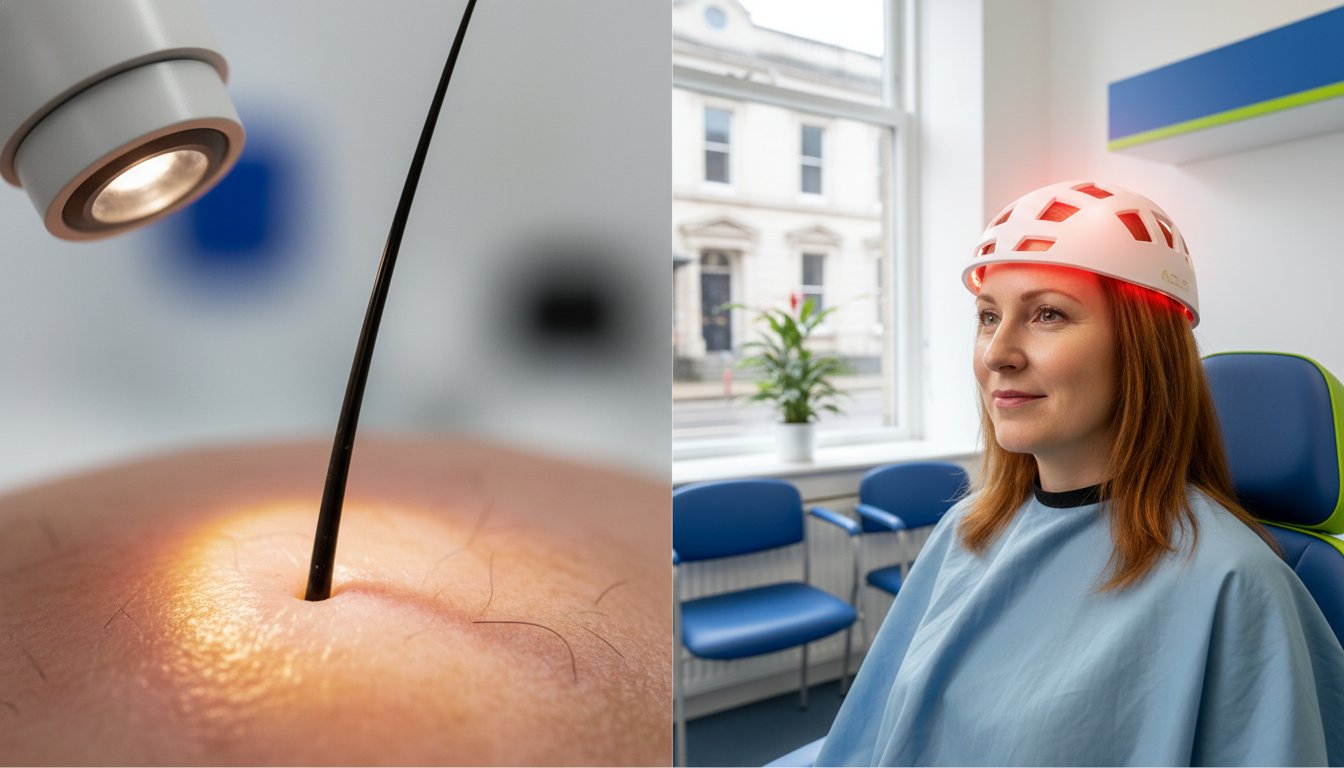
Professional Laser Hair Treatment in Waterford
What if the reason your hair growth has stalled isn't just down to genetics, but a physical barrier resting directly on your skin?It's deeply frustrating...
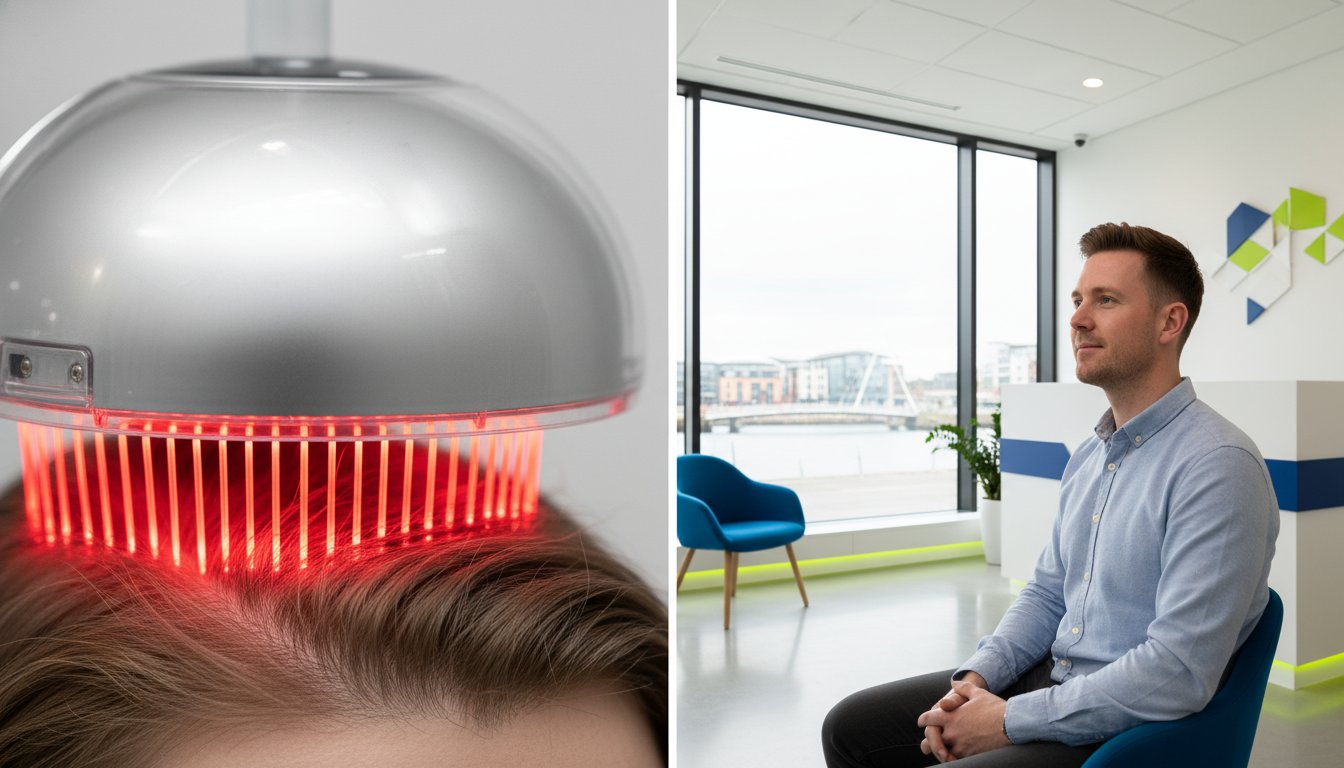
Low Level Laser Therapy for Hair Growth and Restoration
Did you know that over 50% of women and 53% of men experience the emotional burden of thinning hair before age 50?It's a common experience, yet the fear...